
Tips for Quitting Smoking: Practical Methods That Work
For every smoker who wants to quit, giving up cigarettes completely can be very difficult. It requires not only perseverance and determination, but also the right methods. The following suggestions are intended to help smokers quit as soon as possible. Fi
For every smoker who wants to quit, giving up cigarettes completely is very difficult. It requires not only persistent determination, but also the right methods. Below are some compiled suggestions that we hope can help smokers quit as soon as possible.
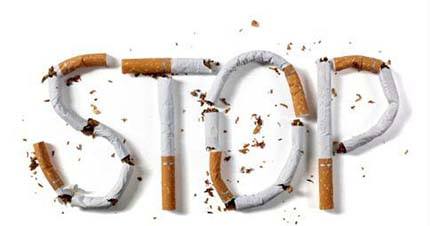
Be mentally prepared: Part of smoking is psychological, so before quitting, you must make up your mind and prepare yourself mentally.
A good quit-smoking environment: Stay away from smokers for the first month before quitting to improve your chances of success.
Understand the dangers of smoking: Read books and news reports about quitting smoking, and learn about the harms caused by smoking.
Quit in stages: Quitting all at once may have some impact on smokers, so a gradual approach may be better.
1. Willpower
Quitting smoking is something that severely tests your willpower. In addition to self-discipline, you can also use certain foods to help support smoking cessation. Below are two recommended foods that may help.
2. Watermelon flesh mixed with honey
Watermelon is naturally a mild fruit and is excellent for soothing the lungs and throat. Honey, when heated, is said to quickly enter the bloodstream and help clear toxic substances and oxidative free radicals from the blood, thereby helping reduce harmful buildup. Combined together and heated in the oven at high temperature for more than half an hour, this mixture may provide some supportive benefits for soothing the lungs and nourishing the liver, whether or not nicotine dependence has been fully overcome. It may also promote urination and bowel movements, helping the body eliminate toxins and maintain balance.
3. White radish cubes soaked in vinegar
White radish is rich in vitamin C and certain acidic compounds. These are believed to help counter nicotine. They may not only help reduce nicotine-related harm in the blood, but with long-term intake may also help lessen conditioned dependence on nicotine. When combined with vinegar, the effect is said to become more pronounced, helping activate and enhance its potency and absorption. It is recommended to eat a small amount at breakfast time, because too much vinegar may lead to excess stomach acid and acid reflux. Therefore, it is recommended to eat one small dish after lunch and dinner instead. This may not only reduce symptoms and adverse reactions associated with nicotine withdrawal, but also promote gastrointestinal absorption and digestion, which is why this dietary approach is often recommended to smokers by some medical experts.
Be mentally prepared: Part of smoking is psychological, so before quitting, you must make up your mind and prepare yourself mentally.
A good quit-smoking environment: Stay away from smokers for the first month before quitting to improve your chances of success.
Understand the dangers of smoking: Read books and news reports about quitting smoking, and learn about the harms caused by smoking.
Quit in stages: Quitting all at once may have some impact on smokers, so a gradual approach may be better.
1. Willpower
Quitting smoking is something that severely tests your willpower. In addition to self-discipline, you can also use certain foods to help support smoking cessation. Below are two recommended foods that may help.
2. Watermelon flesh mixed with honey
Watermelon is naturally a mild fruit and is excellent for soothing the lungs and throat. Honey, when heated, is said to quickly enter the bloodstream and help clear toxic substances and oxidative free radicals from the blood, thereby helping reduce harmful buildup. Combined together and heated in the oven at high temperature for more than half an hour, this mixture may provide some supportive benefits for soothing the lungs and nourishing the liver, whether or not nicotine dependence has been fully overcome. It may also promote urination and bowel movements, helping the body eliminate toxins and maintain balance.
3. White radish cubes soaked in vinegar
White radish is rich in vitamin C and certain acidic compounds. These are believed to help counter nicotine. They may not only help reduce nicotine-related harm in the blood, but with long-term intake may also help lessen conditioned dependence on nicotine. When combined with vinegar, the effect is said to become more pronounced, helping activate and enhance its potency and absorption. It is recommended to eat a small amount at breakfast time, because too much vinegar may lead to excess stomach acid and acid reflux. Therefore, it is recommended to eat one small dish after lunch and dinner instead. This may not only reduce symptoms and adverse reactions associated with nicotine withdrawal, but also promote gastrointestinal absorption and digestion, which is why this dietary approach is often recommended to smokers by some medical experts.


