
Are Bottom-Feed Box Mods Easy to Use? What Are the Advantages?
The trend of bottom-feeding has begun sweeping the domestic e-cigarette market. More and more RDAs now come with bottom-feed screws, and an increasing number of optimized squonk box mods are entering the market. These industry developments show that this
The trend of bottom-feeding devices is sweeping the domestic e-cigarette market, with more and more RDAs coming with bottom-feeding screws, and an increasing number of optimized bottom-feeding boxes hitting the market. These phenomena in the broader environment are enough to prove that this method of using e-cigarettes has gained recognition from a majority of users.
Bottom-feeding has been popular abroad for a long time. It is well known that when using an RDA, the e-liquid is directly dripped onto the cotton, resulting in a fuller flavor compared to an RTA, and it is generally unaffected by the speed of e-liquid delivery. However, traditional RDA usage does have obvious operational inconveniences, such as needing one hand to hold the bottle and the other to stabilize the device, requiring this process to be repeated before each use. The bottom-feeding method changes the traditional usage of RDAs, allowing e-liquid to be squeezed from the bottom reservoir into the atomization chamber through the electrode screw, where it is absorbed by the cotton, achieving a result close to traditional dripping. The reason for mentioning "close" is that bottom-feeding still involves a cotton delivery process and does not completely replicate the effect of directly dripping onto the cotton, although some RDAs have very short cotton delivery paths, such as the DPRO RDA, where the e-liquid outlet is very close to the bottom of the two coils.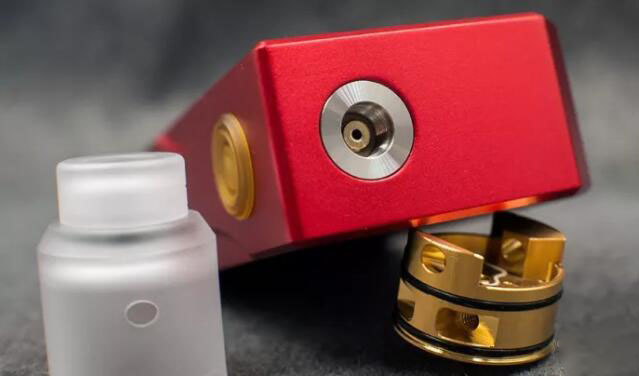 Among the currently available bottom-feeding devices, the presence of a chipset is the most obvious classification difference. If safety is the top priority, devices like the Heshige VT INBOX with protective chips are the first choice, although these chips come in various types, the only drawback is that the device is generally larger to accommodate the chip.
Another common type of bottom-feeding box is the mechanical direct-pull type, which forgoes protective chips and uses a purely mechanical structure. For example, the RAM BOX using 18650 batteries and the COILART AZEROTH compatible with the latest 20700 and 21700 batteries. These types of boxes output closer to mechanical rods and have a size advantage.
Clearly understanding whether you need a device with a protective chip will make the selection process more straightforward. Chips provide safety protection but affect the size of the device; mechanical types are simpler and more natural but also come with safety considerations that users must always be aware of; both types have their advantages, and the choice depends entirely on personal preference.
In addition to the craftsmanship of the device and whether it has chip protection, the e-liquid reservoir is an inconspicuous yet crucial part of bottom-feeding devices. The hardness of the material determines the feel during the squeezing process, with soft plastic and soft silicone being the two common materials, with soft silicone generally providing a softer feel. Besides the feel, the airtightness of the reservoir is key to successfully squeezing e-liquid into the atomizer.
Taking COIL ART's AZEROTH as an example, this soft silicone bottle not only provides an extremely comfortable squeezing feel but also uses a metal combination for the cap to avoid tolerance gaps, achieving airtight protection through silicone squeezing, making it one of the most practical bottom-feeding bottles available. However, in practical use, regardless of the type of bottle, care should be taken not to overfill the e-liquid, as this can lead to leakage.
For mechanical bottom-feeding boxes, the switch is another important factor affecting the experience. On the market, there are types of switches that use a "point-to-point" contact method, which have a smaller contact area for electrical conduction. Gradually evolving from this structure, current mechanical bottom-feeding boxes typically use a "face-to-face" design, which increases the contact area of the switch, thereby enhancing electrical stability.
Regardless of whether the device has a chip, the squeezing operation during use remains the same. When using the bottom-feeding bottle, there are some small tips to keep in mind:
Do not use excessive force to squeeze the bottle or blindly squeeze too many times, as this will only lead to "overfilling," and bottles with poor airtightness are more likely to leak;
When e-liquid enters the atomizer from the bottle, it will be affected by pressure and may be sucked back. Maintaining a slight "pressure" state while squeezing the bottle for a moment can more effectively ensure that the cotton fully contacts and absorbs the e-liquid;
In the same atomizer, purposefully feeling how many squeezes are needed to saturate the cotton will help with future "blind squeezing"; initially, you can open the cover to observe the absorption experience;
Common mechanical bottom-feeding boxes are favored by many users due to their similarity to mechanical rod usage, and their actual compatibility is generally broader than that of chip-equipped devices. Friends who prefer low resistance are more inclined to choose mechanical types. For those who still have reservations about safety, a genuine power battery can provide the greatest assurance, as the safety guarantee of a pressure relief valve is something inferior batteries cannot offer.
#p#分页标题#e#The advantages of bottom-feeding boxes are very clear; they offer the concentration of dripping while avoiding the cumbersome operations associated with direct dripping. For example, during traditional dripping, even when using a mouthpiece to drip, it inevitably requires both hands to hold the device and perform the dripping operation. However, with bottom-feeding devices, you can complete the "dripping" with just one finger pressing the reservoir, making this convenience evident.
The convenience of bottom-feeding devices is absolutely superior to traditional dripping operations. For a heavy dripper who consumes 10-15ML of e-liquid daily, using traditional dripping often requires countless double-handed operations to open the e-liquid bottle, drip onto the cotton, and then close it again. In contrast, when using bottom-feeding devices, you only need to refill the reservoir 3-4 times, and the rest is just a simple operation of squeezing with one finger.
Bottom-feeding devices are spreading in the e-cigarette field with a more premium and convenient experience. Many optimized products are slowly emerging in the market, especially with the evolution of batteries, which directly influences the development of bottom-feeding devices. For example, COIL ART AZEROTH has targeted the battery life issue of single 18650 batteries, designing it based on the latest 20700 and 21700 batteries, and through silicone accessories, it is compatible with 18650 batteries. It is believed that in the near future, more excellent bottom-feeding devices will be launched, marking a significant trend in this hot wave…
Among the currently available bottom-feeding devices, the presence of a chipset is the most obvious classification difference. If safety is the top priority, devices like the Heshige VT INBOX with protective chips are the first choice, although these chips come in various types, the only drawback is that the device is generally larger to accommodate the chip.
Another common type of bottom-feeding box is the mechanical direct-pull type, which forgoes protective chips and uses a purely mechanical structure. For example, the RAM BOX using 18650 batteries and the COILART AZEROTH compatible with the latest 20700 and 21700 batteries. These types of boxes output closer to mechanical rods and have a size advantage.
Clearly understanding whether you need a device with a protective chip will make the selection process more straightforward. Chips provide safety protection but affect the size of the device; mechanical types are simpler and more natural but also come with safety considerations that users must always be aware of; both types have their advantages, and the choice depends entirely on personal preference.
In addition to the craftsmanship of the device and whether it has chip protection, the e-liquid reservoir is an inconspicuous yet crucial part of bottom-feeding devices. The hardness of the material determines the feel during the squeezing process, with soft plastic and soft silicone being the two common materials, with soft silicone generally providing a softer feel. Besides the feel, the airtightness of the reservoir is key to successfully squeezing e-liquid into the atomizer.
Taking COIL ART's AZEROTH as an example, this soft silicone bottle not only provides an extremely comfortable squeezing feel but also uses a metal combination for the cap to avoid tolerance gaps, achieving airtight protection through silicone squeezing, making it one of the most practical bottom-feeding bottles available. However, in practical use, regardless of the type of bottle, care should be taken not to overfill the e-liquid, as this can lead to leakage.
For mechanical bottom-feeding boxes, the switch is another important factor affecting the experience. On the market, there are types of switches that use a "point-to-point" contact method, which have a smaller contact area for electrical conduction. Gradually evolving from this structure, current mechanical bottom-feeding boxes typically use a "face-to-face" design, which increases the contact area of the switch, thereby enhancing electrical stability.
Regardless of whether the device has a chip, the squeezing operation during use remains the same. When using the bottom-feeding bottle, there are some small tips to keep in mind:
Do not use excessive force to squeeze the bottle or blindly squeeze too many times, as this will only lead to "overfilling," and bottles with poor airtightness are more likely to leak;
When e-liquid enters the atomizer from the bottle, it will be affected by pressure and may be sucked back. Maintaining a slight "pressure" state while squeezing the bottle for a moment can more effectively ensure that the cotton fully contacts and absorbs the e-liquid;
In the same atomizer, purposefully feeling how many squeezes are needed to saturate the cotton will help with future "blind squeezing"; initially, you can open the cover to observe the absorption experience;
Common mechanical bottom-feeding boxes are favored by many users due to their similarity to mechanical rod usage, and their actual compatibility is generally broader than that of chip-equipped devices. Friends who prefer low resistance are more inclined to choose mechanical types. For those who still have reservations about safety, a genuine power battery can provide the greatest assurance, as the safety guarantee of a pressure relief valve is something inferior batteries cannot offer.
#p#分页标题#e#The advantages of bottom-feeding boxes are very clear; they offer the concentration of dripping while avoiding the cumbersome operations associated with direct dripping. For example, during traditional dripping, even when using a mouthpiece to drip, it inevitably requires both hands to hold the device and perform the dripping operation. However, with bottom-feeding devices, you can complete the "dripping" with just one finger pressing the reservoir, making this convenience evident.
The convenience of bottom-feeding devices is absolutely superior to traditional dripping operations. For a heavy dripper who consumes 10-15ML of e-liquid daily, using traditional dripping often requires countless double-handed operations to open the e-liquid bottle, drip onto the cotton, and then close it again. In contrast, when using bottom-feeding devices, you only need to refill the reservoir 3-4 times, and the rest is just a simple operation of squeezing with one finger.
Bottom-feeding devices are spreading in the e-cigarette field with a more premium and convenient experience. Many optimized products are slowly emerging in the market, especially with the evolution of batteries, which directly influences the development of bottom-feeding devices. For example, COIL ART AZEROTH has targeted the battery life issue of single 18650 batteries, designing it based on the latest 20700 and 21700 batteries, and through silicone accessories, it is compatible with 18650 batteries. It is believed that in the near future, more excellent bottom-feeding devices will be launched, marking a significant trend in this hot wave…

