What should you do if your vape leaks? It may not be a quality issue
What should you do if your vape leaks? The most commonly used wicking material in vape atomizers is cotton. Because of the fluffy gaps in the cotton, some degree of leakage can occur during use. But leakage is not necessarily caused by loose cotton or oth
What should you do if your vape leaks? It may not be a quality issue.
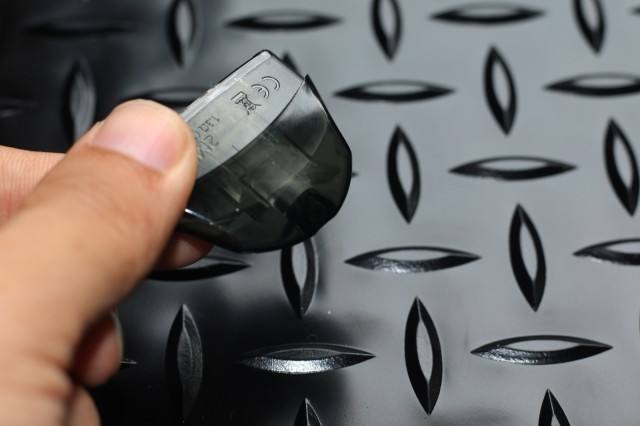
Vapes often experience oil leakage due to the use of cotton as the most common oil guiding material in atomizers. The fluffiness of the cotton can lead to some degree of leakage during use. However, leakage is not always solely due to loose cotton or other quality issues; user errors during vaping can also cause leaks. Below, we will categorize and describe the possible reasons for various types of vape oil leakage.
Pod vapes are currently the most popular type of e-cigarette on the market. The pods are essentially independent atomizer components. Generally, the liquid leakage at the bottom of the pod is actually condensation from the air intake, which can easily mislead novice users into thinking the pod is leaking oil. Integrated pod vapes have excellent sealing, but for refillable pods, if leakage occurs, it is likely due to a poorly sealed or damaged silicone plug.
To make refilling easier for users, most commercially available atomizers now feature a top-fill design. If the air intake is not closed while refilling such atomizers, there is a high chance of leakage during use. If you are not in a hurry to use it, it is actually not recommended to perform a wicking operation, as it is often difficult to control the amount of e-liquid used, leading to leaks.
DIY storage atomizers require skill and experience in the amount of cotton used. If the cotton is too sparse or too fluffy, the atomizer will leak. Similar to commercially available atomizers, any top-fill DIY storage atomizer can also leak if the air intake is forgotten to be closed during refilling.
For drip atomizers, which have a relatively simple structure, quality issues are rare. If leakage occurs, it is usually due to excessive dripping of e-liquid or placing the atomizer on its side. Additionally, if the O-ring of the drip atomizer becomes worn or damaged during use, there may also be some e-liquid seepage from the base.
User errors during the vaping process are also one of the biggest reasons for vape oil leakage. For example, blowing into the atomizer with too much force can push the e-liquid out. Leaving a storage atomizer on its side for too long can also cause leakage. When a vape leaks, it is not necessarily a quality issue. It is usually easy to determine the cause of the leakage, and once identified, the issue can be resolved.
Vapes often experience oil leakage due to the use of cotton as the most common oil guiding material in atomizers. The fluffiness of the cotton can lead to some degree of leakage during use. However, leakage is not always solely due to loose cotton or other quality issues; user errors during vaping can also cause leaks. Below, we will categorize and describe the possible reasons for various types of vape oil leakage.
Pod vapes are currently the most popular type of e-cigarette on the market. The pods are essentially independent atomizer components. Generally, the liquid leakage at the bottom of the pod is actually condensation from the air intake, which can easily mislead novice users into thinking the pod is leaking oil. Integrated pod vapes have excellent sealing, but for refillable pods, if leakage occurs, it is likely due to a poorly sealed or damaged silicone plug.
To make refilling easier for users, most commercially available atomizers now feature a top-fill design. If the air intake is not closed while refilling such atomizers, there is a high chance of leakage during use. If you are not in a hurry to use it, it is actually not recommended to perform a wicking operation, as it is often difficult to control the amount of e-liquid used, leading to leaks.
DIY storage atomizers require skill and experience in the amount of cotton used. If the cotton is too sparse or too fluffy, the atomizer will leak. Similar to commercially available atomizers, any top-fill DIY storage atomizer can also leak if the air intake is forgotten to be closed during refilling.
For drip atomizers, which have a relatively simple structure, quality issues are rare. If leakage occurs, it is usually due to excessive dripping of e-liquid or placing the atomizer on its side. Additionally, if the O-ring of the drip atomizer becomes worn or damaged during use, there may also be some e-liquid seepage from the base.
User errors during the vaping process are also one of the biggest reasons for vape oil leakage. For example, blowing into the atomizer with too much force can push the e-liquid out. Leaving a storage atomizer on its side for too long can also cause leakage. When a vape leaks, it is not necessarily a quality issue. It is usually easy to determine the cause of the leakage, and once identified, the issue can be resolved.