What to Do If Your Atomizer Is Not Wicking Properly?
What should you do if your atomizer is not wicking properly? When using a vaping device, a burnt taste from the atomizer is often caused by poor e-liquid wicking. This may be hard for many beginners to understand, but the causes generally come down to thr
What to Do If Your Atomizer Is Not Wicking Properly?
When using an e-cigarette, if the atomizer produces a burnt taste, a major reason could be due to poor wicking. The term poor wicking may be difficult for many novice users to understand, but the causes of this phenomenon generally fall into three categories: e-liquid, atomizer coil, and usage operation. By carefully examining these three aspects, it is easy to identify the reasons for poor wicking in the atomizer.
1. High VG Content in E-Liquid Causing Poor Wicking
With the rise of high vapor devices, high VG e-liquids have become increasingly popular among users. However, for many pre-built atomizers or even tank-style atomizers, high VG e-liquids have a higher viscosity and poor fluidity, making it difficult to achieve smooth wicking during frequent use. If you enjoy the rich vapor of high VG e-liquids, consider pairing them with dripping atomizers or tank-style atomizers with larger wicking holes.
2. Issues with the Atomizer Coil Causing Poor Wicking
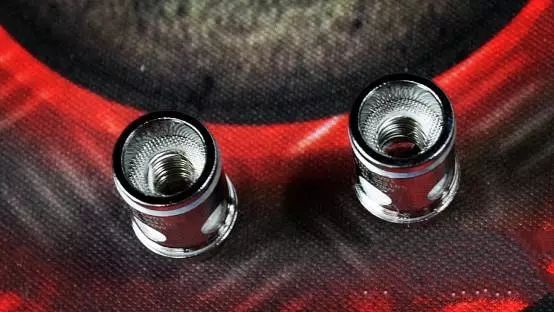
For pre-built atomizers, as long as the e-liquid pairing and usage frequency are reasonable, poor wicking should not occur. However, for DIY atomizers, the most common cause of poor wicking is improper cotton placement. If the cotton between the coils of a DIY atomizer is too tight or if too much cotton is packed into the wicking holes, it can hinder the flow of e-liquid.
3. Operational Reasons Causing Poor Wicking
E-liquid flow also requires a certain amount of time. When users use e-cigarettes too frequently, the flow rate of e-liquid may not keep up with excessive puffs, leading to delayed wicking. This phenomenon is often mistaken by users as poor wicking in the atomizer. Currently, many tank-style atomizers use a top-fill structure, but if the internal pressure is too high, poor wicking can also occur. The specific manifestation is that when inhaling, the e-liquid in the tank may surge upwards with the draw; in this case, you can relieve the pressure by opening the top cap.
What to Do If Your Atomizer Is Not Wicking Properly? In fact, poor wicking and delayed wicking are two issues that can easily be confused. Delayed wicking is more often caused by users' excessive puffs or using too high output power. Poor wicking, on the other hand, is more related to insufficient fluidity of the e-liquid and the atomizer coil's cotton being too dense, as well as excessive internal pressure in the tank. If you experience a burnt coil situation, you can easily identify the issue of poor wicking in the atomizer as long as you maintain a normal usage frequency.
When using an e-cigarette, if the atomizer produces a burnt taste, a major reason could be due to poor wicking. The term poor wicking may be difficult for many novice users to understand, but the causes of this phenomenon generally fall into three categories: e-liquid, atomizer coil, and usage operation. By carefully examining these three aspects, it is easy to identify the reasons for poor wicking in the atomizer.
1. High VG Content in E-Liquid Causing Poor Wicking
With the rise of high vapor devices, high VG e-liquids have become increasingly popular among users. However, for many pre-built atomizers or even tank-style atomizers, high VG e-liquids have a higher viscosity and poor fluidity, making it difficult to achieve smooth wicking during frequent use. If you enjoy the rich vapor of high VG e-liquids, consider pairing them with dripping atomizers or tank-style atomizers with larger wicking holes.
2. Issues with the Atomizer Coil Causing Poor Wicking
For pre-built atomizers, as long as the e-liquid pairing and usage frequency are reasonable, poor wicking should not occur. However, for DIY atomizers, the most common cause of poor wicking is improper cotton placement. If the cotton between the coils of a DIY atomizer is too tight or if too much cotton is packed into the wicking holes, it can hinder the flow of e-liquid.
3. Operational Reasons Causing Poor Wicking
E-liquid flow also requires a certain amount of time. When users use e-cigarettes too frequently, the flow rate of e-liquid may not keep up with excessive puffs, leading to delayed wicking. This phenomenon is often mistaken by users as poor wicking in the atomizer. Currently, many tank-style atomizers use a top-fill structure, but if the internal pressure is too high, poor wicking can also occur. The specific manifestation is that when inhaling, the e-liquid in the tank may surge upwards with the draw; in this case, you can relieve the pressure by opening the top cap.
What to Do If Your Atomizer Is Not Wicking Properly? In fact, poor wicking and delayed wicking are two issues that can easily be confused. Delayed wicking is more often caused by users' excessive puffs or using too high output power. Poor wicking, on the other hand, is more related to insufficient fluidity of the e-liquid and the atomizer coil's cotton being too dense, as well as excessive internal pressure in the tank. If you experience a burnt coil situation, you can easily identify the issue of poor wicking in the atomizer as long as you maintain a normal usage frequency.