
Can E-Cigarettes Cause Popcorn Lung?
Can e-cigarettes cause popcorn lung? Back in 2015, a research report from Harvard University drew widespread attention from smokers. The study analyzed the safety of e-cigarettes and the e-juice used in them. The results showed that 75% of the flavored li
Can e-cigarettes cause "popcorn lung"? Back in 2015, a research report from Harvard University caught the attention of many smokers. The study analyzed the safety of e-cigarettes and the liquid known as "e-juice" used in them. The results showed that 75% of the flavored liquids they tested contained a chemical called diacetyl, which is an artificial flavoring with a buttery taste. As early as 2000, this chemical was identified as the cause of a rare lung disease called "obliterative bronchiolitis," or "popcorn lung," in eight workers at a popcorn factory.
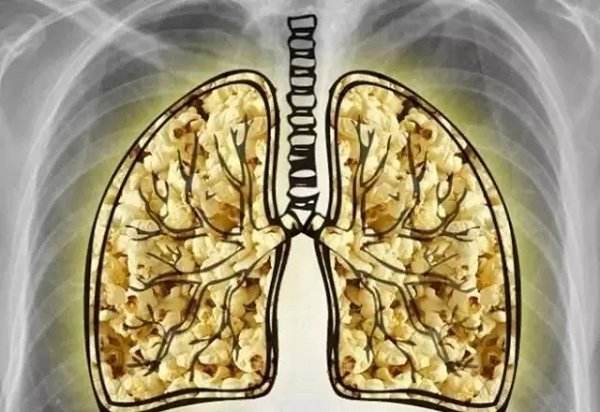
"Popcorn lung" is an irreversible obstructive lung disease caused by inflammation or fibrosis leading to narrowing or blockage of the bronchioles. There are many causes for this disease, including viral infections, transplant rejection, and exposure to toxic chemicals such as chlorine, ammonia, and ozone. The eight workers mentioned above are typical cases affected by a toxic environment, having been exposed to high concentrations of diacetyl gas for an extended period, which led to their illness.
However, Harvard's study was met with strong opposition and skepticism. Some tobacco control experts claimed that the report was alarmist and exaggerated the data, even suggesting a tendency to demonize e-cigarettes. An expert report pointed out several obvious flaws in Harvard's research, such as not mentioning the levels of diacetyl and acetyl propionyl in traditional cigarettes, which are on average dozens or even hundreds of times higher than those in e-cigarettes.
The report indicated that daily exposure to diacetyl from traditional cigarettes is 750 times higher than that from e-cigarettes, with e-cigarette users exposed to an average of 9 micrograms of diacetyl, while smokers are exposed to 6718 micrograms. Despite the higher levels of diacetyl in traditional cigarettes, no cases of popcorn lung have been reported among smokers.
So, does inhaling e-cigarette vapor really cause "popcorn lung"? At least currently, there is no conclusive scientific evidence to support this claim.
What scientists can currently prove is that smoking increases the risk of exposure to diacetyl, but no causal relationship with "popcorn lung" has been established. Therefore, scientists will continue to conduct further long-term follow-up studies.
"Popcorn lung" is an irreversible obstructive lung disease caused by inflammation or fibrosis leading to narrowing or blockage of the bronchioles. There are many causes for this disease, including viral infections, transplant rejection, and exposure to toxic chemicals such as chlorine, ammonia, and ozone. The eight workers mentioned above are typical cases affected by a toxic environment, having been exposed to high concentrations of diacetyl gas for an extended period, which led to their illness.
However, Harvard's study was met with strong opposition and skepticism. Some tobacco control experts claimed that the report was alarmist and exaggerated the data, even suggesting a tendency to demonize e-cigarettes. An expert report pointed out several obvious flaws in Harvard's research, such as not mentioning the levels of diacetyl and acetyl propionyl in traditional cigarettes, which are on average dozens or even hundreds of times higher than those in e-cigarettes.
The report indicated that daily exposure to diacetyl from traditional cigarettes is 750 times higher than that from e-cigarettes, with e-cigarette users exposed to an average of 9 micrograms of diacetyl, while smokers are exposed to 6718 micrograms. Despite the higher levels of diacetyl in traditional cigarettes, no cases of popcorn lung have been reported among smokers.
So, does inhaling e-cigarette vapor really cause "popcorn lung"? At least currently, there is no conclusive scientific evidence to support this claim.
What scientists can currently prove is that smoking increases the risk of exposure to diacetyl, but no causal relationship with "popcorn lung" has been established. Therefore, scientists will continue to conduct further long-term follow-up studies.


