Airlines Ban Vaping Products: Is This Unfair Treatment?
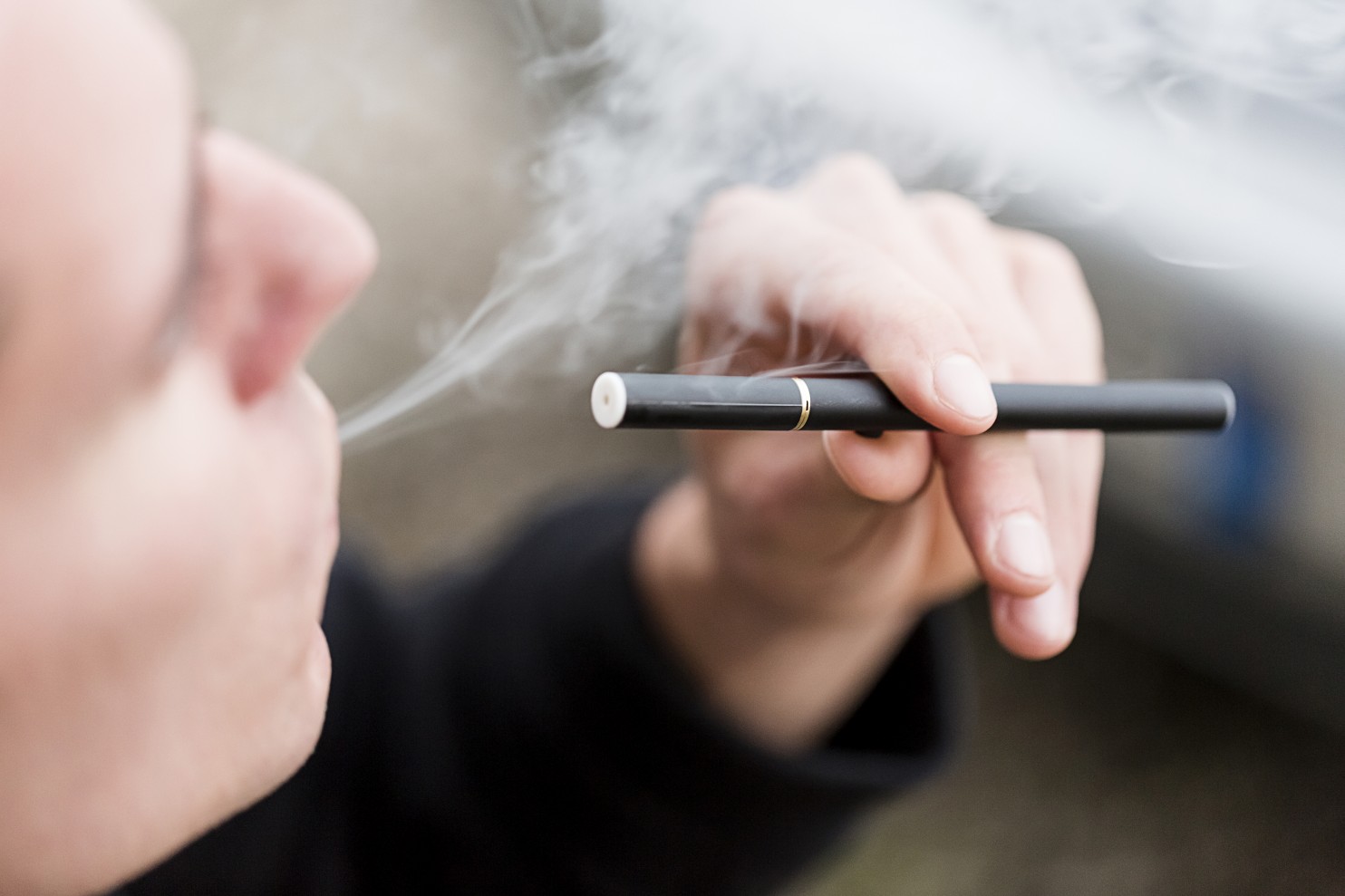
As airline regulations become increasingly strict regarding the ban on vaping products and other electronic devices on flights, a peculiar question naturally arises.
Reportedly, Democratic Senator Richard Blumenthal from Connecticut wrote an open letter last week to several airlines urging them to completely ban e-cigarette products from being carried on planes. Blumenthal believes that by prohibiting all e-cigarette products, the likelihood of explosions occurring on airplanes would be significantly reduced.
However, there seems to be one glaring issue in the senator's righteous letter: other electronic devices have a higher frequency of explosions, yet they have not become targets for bans by airlines.
According to ABC News, there have been 140 reported incidents of vape product explosions since 2009. Interestingly, the article notes that there were 66 explosion incidents from early 2015 to early 2016, compared to 92 incidents from 2009 to 2015, when vape technology was still in its early stages.
Now, let's compare this to the Samsung phone explosion incidents. According to BGR, since the launch of the Samsung Galaxy Note 7 on August 19, 2016, there have been over 70 explosion incidents, leading the company to recall the phone. This device has caused severe burns to individuals and is currently banned from purchase in most countries, yet it has not been completely prohibited on domestic and international flights.
In fact, USA Today published an article a few months ago regarding the Samsung Galaxy Note 7 recall and its partial ban by the Department of Transportation; however, from the article's perspective, the ban was mild and did not address the issue adequately.
The author witnessed a Samsung Galaxy Note 7 overheating on a Virgin Atlantic flight from a U.S. city to London a few months ago. Although the phone did not explode, such malfunctions always raise concerns among surrounding passengers.
So why do vaping products have such a bad reputation for overheating and exploding? Why are figures like Richard Blumenthal and Chuck Schumer calling for a ban on these products during flights?
One reason is that vaping products are still relatively new to the market, and few users know how to properly maintain their devices while traveling. For instance, under no circumstances should e-cigarette devices have batteries installed if not in use. Especially during travel, many vaping products use lithium batteries to power the devices.
Another issue is that consumers often charge their devices for much longer than recommended. In fact, the U.S. Fire Administration found that 80% of products involved in overheating and explosion incidents related to vaping were charging at the time. Only 8% of fires occurred while the devices were in use.
It is worth noting that consumers who vape at high power levels face a higher risk of their devices catching fire, as the higher the power of the e-cigarette device, the more sensitive the battery inside becomes.
We believe that if e-cigarette products are found to be defective and pose a public health issue, they should be immediately removed from the market. We believe that any consistently problematic e-cigarette product is unsuitable for public consumption and should not hold a place in the community.
We also believe that due to the FDA tying the hands of e-cigarette companies and stores, vapers are not receiving the necessary services to understand their devices. Since vape shops are not allowed to display products, customers must learn how to use them on their own.
This is very dangerous, as many of these devices are aimed at advanced users. While we believe the vaping community needs adequate regulation, when has the FDA taken responsibility while trying to tie the hands of the vaping community? When federal agencies have consistently opposed vaping, first attempting to destroy the industry through regulation, and then spreading misinformation about device malfunctions, when have they taken responsibility?
Where is the line?
It is estimated that there are over 9 million vapers in the United States, with fewer than 75 malfunction incidents reported each year. We believe it is important to question your representatives about their motives for wanting to ban powerless e-cigarette devices on planes, as this is how most e-cigarette customers travel.
Because if you don't ask about the vaping dilemma, who will?