
What Types of E-Cigarettes Are There? A Summary of Six Categories
Category 1: By vapor production principle. Heated tobacco devices work through low-temperature heating, releasing aerosol from specially designed tobacco sticks, also known as HNB. Their key feature is that a tobacco stick must be inserted into the device
Category One: Classified by Smoke Emission Principle
Heated non-combustion e-cigarettes: The main principle is low-temperature heating, which releases vapor by heating new tobacco, abbreviated as HnB. The main feature is that a new type of tobacco similar to cigarettes needs to be inserted into the device.
E-liquid atomization e-cigarettes: These generate vapor by electrically heating e-liquid.
Category Two: Classified by E-liquid Type
CBD e-cigarettes: Cannabidiol (CBD) is a component of cannabis that has been proven to be non-addictive and non-psychoactive. It can improve sleep quality and relax the body and mind; this category includes e-cigarettes containing CBD.
Nicotine e-cigarettes: The main components of the e-liquid are vegetable glycerin (VG), propylene glycol (PG), flavoring, and optionally added nicotine, making them nicotine e-cigarettes.
Nicotine-free e-cigarettes: E-liquids that do not contain nicotine are referred to as nicotine-free e-cigarettes.
Category Three: Classified by Vapor Size
Small vapor: Refers to small vapor e-cigarettes currently available on the market.
Large vapor: Refers to large vapor e-cigarettes. The playability and coolness of large vapor products have garnered many fans.
Category Four: Classified by Reusability
Disposable e-cigarettes: E-cigarettes that cannot be recharged and are discarded after the e-liquid is used up.
Disposable pod e-cigarettes: The pod is separate from the device, which has a rechargeable battery. After the pod is used up, it is replaced without changing the device.
Refillable e-cigarettes: These can be reused, with long-lasting pods that can be refilled 3-6 times after the e-liquid is consumed.
Category Five: Classified by Appearance
Realistic e-cigarettes: E-cigarettes that resemble the size and appearance of real cigarettes, with a glowing tip that mimics the effect of ash when smoked.
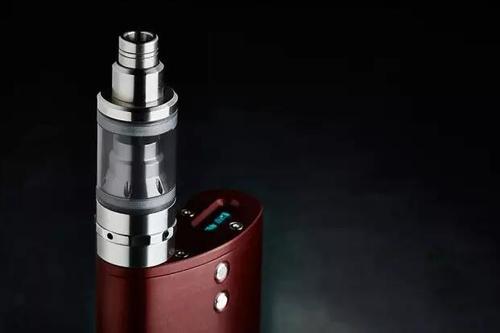
Non-realistic e-cigarettes: Various shapes that can produce vapor but do not adhere to the shape of traditional cigarettes.
Category Six: Classified by Oil Storage and Delivery System
Resistance wire atomization e-cigarettes: These use cotton or fiber wicks to absorb oil, delivering the e-liquid from the pod to the heating coil, which vaporizes it when heated.
Porous ceramic atomization e-cigarettes: These have a heating resistance baked onto porous ceramic, integrating oil delivery and heating. The resistance heats the e-liquid to produce vapor. To provide a better e-liquid atomization experience, porous ceramic atomization cores have evolved into the third generation of thick film printing, which may become a trend in the future.
Heated non-combustion e-cigarettes: The main principle is low-temperature heating, which releases vapor by heating new tobacco, abbreviated as HnB. The main feature is that a new type of tobacco similar to cigarettes needs to be inserted into the device.
E-liquid atomization e-cigarettes: These generate vapor by electrically heating e-liquid.
Category Two: Classified by E-liquid Type
CBD e-cigarettes: Cannabidiol (CBD) is a component of cannabis that has been proven to be non-addictive and non-psychoactive. It can improve sleep quality and relax the body and mind; this category includes e-cigarettes containing CBD.
Nicotine e-cigarettes: The main components of the e-liquid are vegetable glycerin (VG), propylene glycol (PG), flavoring, and optionally added nicotine, making them nicotine e-cigarettes.
Nicotine-free e-cigarettes: E-liquids that do not contain nicotine are referred to as nicotine-free e-cigarettes.
Category Three: Classified by Vapor Size
Small vapor: Refers to small vapor e-cigarettes currently available on the market.
Large vapor: Refers to large vapor e-cigarettes. The playability and coolness of large vapor products have garnered many fans.
Category Four: Classified by Reusability
Disposable e-cigarettes: E-cigarettes that cannot be recharged and are discarded after the e-liquid is used up.
Disposable pod e-cigarettes: The pod is separate from the device, which has a rechargeable battery. After the pod is used up, it is replaced without changing the device.
Refillable e-cigarettes: These can be reused, with long-lasting pods that can be refilled 3-6 times after the e-liquid is consumed.
Category Five: Classified by Appearance
Realistic e-cigarettes: E-cigarettes that resemble the size and appearance of real cigarettes, with a glowing tip that mimics the effect of ash when smoked.
Non-realistic e-cigarettes: Various shapes that can produce vapor but do not adhere to the shape of traditional cigarettes.
Category Six: Classified by Oil Storage and Delivery System
Resistance wire atomization e-cigarettes: These use cotton or fiber wicks to absorb oil, delivering the e-liquid from the pod to the heating coil, which vaporizes it when heated.
Porous ceramic atomization e-cigarettes: These have a heating resistance baked onto porous ceramic, integrating oil delivery and heating. The resistance heats the e-liquid to produce vapor. To provide a better e-liquid atomization experience, porous ceramic atomization cores have evolved into the third generation of thick film printing, which may become a trend in the future.


