The e-cigarette industry has huge potential and needs universal standards
The e-cigarette industry has enormous potential, but it needs universal standards. In the February 21 article “Imagining Future Domestic E-cigarette Regulatory Policies,” it was suggested that future regulation in China may follow the model used in the mo
The e-cigarette industry has huge potential and needs universal standards. In the article "Imagining Future Domestic E-Cigarette Regulatory Policies" published on February 21, it was mentioned that "it is expected that the approach will reference that of the mobile phone industry. Regardless of which company produces e-cigarette devices, as long as they meet the standards, it will be fine, while e-liquids should be directly regulated."
Why is this said? Because the e-cigarette industry is very similar to the mobile phone industry! Let's explore four aspects to see how the e-cigarette industry resembles the mobile phone industry.
1. Both are electronic products
Although electronic cigarettes and mobile phones differ in appearance and function, they are both electronic products.
Electronic cigarettes mainly consist of a battery, circuit board, switch, and atomizer. When the battery runs out, it needs a charger for recharging.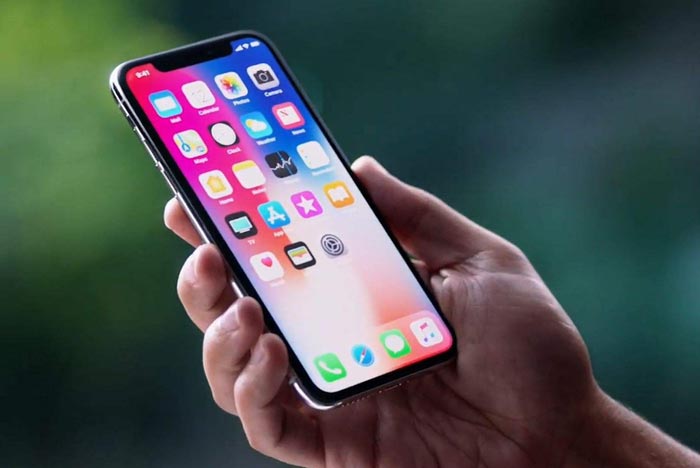
Mobile phones mainly consist of a battery, electronic components, and software systems. When the battery runs out, it also requires a charger for recharging.
2. Product interdependence
Mobile phones require a communication network to make calls, send messages, and access the internet, while e-cigarettes need e-liquids to function!
The communication network is a consumable; you need to recharge it to use it, and once it's used up, you need to recharge again. Without a communication network, a mobile phone is "useless."
E-liquids are similar; they are consumables that need to be purchased once used up. Without e-liquids, e-cigarette devices are also "useless."
E-liquids come in various flavors, including tobacco, fruit, pastries, alcoholic beverages, and drinks, to meet the needs of different consumers. Similarly, communication networks offer different packages to cater to various consumer needs.
The relationship between mobile phones and communication networks is the same as that between e-cigarettes and e-liquids!
 3. Both are mass consumer products
Mass consumer products are everyday items that ordinary people can afford and need. Previously, this generally referred to essential goods like rice, oil, salt, soy sauce, vinegar, tea, and clothing.
With social progress and economic development, as people's material living standards improve, the range of mass consumer products has also increased. Especially in the past decade, the mobile phone market has evolved rapidly, with more varieties, enhanced functionalities, and decreasing prices. Once expensive and niche mobile phones have become mass consumer products. Many people carry two phones, not just one. Moreover, people now change phones every 2-3 years, unlike before when a phone would be used for ten years or more. Nowadays, if a young person does not have a mobile phone, they are seen as an outlier.
As technology matures, e-cigarettes are becoming more enjoyable and widespread, no longer just niche or purely for enthusiasts. Especially with the advent of nicotine salt technology, integrated pod systems have emerged, which are small, easy to use, and affordable, making them increasingly accepted by smokers. Like mobile phones, they have become mass consumer products. However, mobile phones are universal products with a broader user base than e-cigarettes.
4. Rapid updates and iterations
In the 20 years of development, mobile phones have evolved from simple bricks with single calling functions to devices that include gaming, MP3, photography, recording, video, and positioning functionalities, encompassing a wide range of features. The pace of updates is very fast.
I remember over a decade ago, we still had black screens, and then came blue screens, color screens, resistive screens, and now touch screens. The appearance and functionality of mobile phones have changed dramatically, with various designs such as bar, flip, slide, and rotating phones, as well as music phones, camera phones, and rugged phones. The launch of the iPhone in 2010 revolutionized the entire mobile phone industry, turning it into the smartphone era.
E-cigarettes, like mobile phones, also experience rapid updates and iterations. They change monthly, seasonally, and annually. There are small changes every year and significant changes every three years.
E-cigarettes were born in 2003. In just over a decade, they have evolved from the initial disposable e-cigarettes that resembled traditional cigarettes to EGO devices, mechanical devices, regulated mechanical devices, mechanical boxes, regulated power boxes, temperature control boxes, and now integrated pod systems.
Conclusion
Previously, social changes were slow, and the term "century" was often used to describe societal changes. Now, with rapid technological advancements, societal changes are described in terms of "years." In fast-evolving electronic industries like mobile phones and e-cigarettes, even describing changes in "years" feels slow; it is more appropriate to describe them in "months" or even "days!"
In such a rapidly changing industry, applying the regulatory methods of slowly evolving industries will be ineffective and often face significant policy lag issues.
Therefore, the rapidly changing e-cigarette industry should be managed like ordinary consumer products. "Referencing the practices of the mobile phone industry, e-cigarette devices should meet standards regardless of which company produces them."
Why is this said? Because the e-cigarette industry is very similar to the mobile phone industry! Let's explore four aspects to see how the e-cigarette industry resembles the mobile phone industry.
1. Both are electronic products
Although electronic cigarettes and mobile phones differ in appearance and function, they are both electronic products.
Electronic cigarettes mainly consist of a battery, circuit board, switch, and atomizer. When the battery runs out, it needs a charger for recharging.
Mobile phones mainly consist of a battery, electronic components, and software systems. When the battery runs out, it also requires a charger for recharging.
2. Product interdependence
Mobile phones require a communication network to make calls, send messages, and access the internet, while e-cigarettes need e-liquids to function!
The communication network is a consumable; you need to recharge it to use it, and once it's used up, you need to recharge again. Without a communication network, a mobile phone is "useless."
E-liquids are similar; they are consumables that need to be purchased once used up. Without e-liquids, e-cigarette devices are also "useless."
E-liquids come in various flavors, including tobacco, fruit, pastries, alcoholic beverages, and drinks, to meet the needs of different consumers. Similarly, communication networks offer different packages to cater to various consumer needs.
The relationship between mobile phones and communication networks is the same as that between e-cigarettes and e-liquids!
3. Both are mass consumer productsMass consumer products are everyday items that ordinary people can afford and need. Previously, this generally referred to essential goods like rice, oil, salt, soy sauce, vinegar, tea, and clothing.
With social progress and economic development, as people's material living standards improve, the range of mass consumer products has also increased. Especially in the past decade, the mobile phone market has evolved rapidly, with more varieties, enhanced functionalities, and decreasing prices. Once expensive and niche mobile phones have become mass consumer products. Many people carry two phones, not just one. Moreover, people now change phones every 2-3 years, unlike before when a phone would be used for ten years or more. Nowadays, if a young person does not have a mobile phone, they are seen as an outlier.
As technology matures, e-cigarettes are becoming more enjoyable and widespread, no longer just niche or purely for enthusiasts. Especially with the advent of nicotine salt technology, integrated pod systems have emerged, which are small, easy to use, and affordable, making them increasingly accepted by smokers. Like mobile phones, they have become mass consumer products. However, mobile phones are universal products with a broader user base than e-cigarettes.
4. Rapid updates and iterations
In the 20 years of development, mobile phones have evolved from simple bricks with single calling functions to devices that include gaming, MP3, photography, recording, video, and positioning functionalities, encompassing a wide range of features. The pace of updates is very fast.
I remember over a decade ago, we still had black screens, and then came blue screens, color screens, resistive screens, and now touch screens. The appearance and functionality of mobile phones have changed dramatically, with various designs such as bar, flip, slide, and rotating phones, as well as music phones, camera phones, and rugged phones. The launch of the iPhone in 2010 revolutionized the entire mobile phone industry, turning it into the smartphone era.
E-cigarettes, like mobile phones, also experience rapid updates and iterations. They change monthly, seasonally, and annually. There are small changes every year and significant changes every three years.
E-cigarettes were born in 2003. In just over a decade, they have evolved from the initial disposable e-cigarettes that resembled traditional cigarettes to EGO devices, mechanical devices, regulated mechanical devices, mechanical boxes, regulated power boxes, temperature control boxes, and now integrated pod systems.
Conclusion
Previously, social changes were slow, and the term "century" was often used to describe societal changes. Now, with rapid technological advancements, societal changes are described in terms of "years." In fast-evolving electronic industries like mobile phones and e-cigarettes, even describing changes in "years" feels slow; it is more appropriate to describe them in "months" or even "days!"
In such a rapidly changing industry, applying the regulatory methods of slowly evolving industries will be ineffective and often face significant policy lag issues.
Therefore, the rapidly changing e-cigarette industry should be managed like ordinary consumer products. "Referencing the practices of the mobile phone industry, e-cigarette devices should meet standards regardless of which company produces them."