
As Chinese e-cigarette brands go global, how should they deal with the patent moats of IQOS, Juul an
Ninety percent of the world’s e-cigarettes are manufactured in China. After more than a decade of development, China’s e-cigarette industry has transformed dramatically. As domestic brands expand overseas, they are drawing increasing attention in competit
90% of the world's e-cigarettes are produced in China. Over the past decade, the Chinese e-cigarette industry has undergone significant changes. As domestic brands expand overseas, they are attracting increasing "attention" in the competition with foreign brands.
In early October, Juul Labs in the United States accused six Chinese e-cigarette companies of infringing on its patents for e-cigarette products and components exported to the U.S., imported into the U.S., or sold in the U.S. They filed a complaint with the U.S. International Trade Commission (ITC) and issued a limited exclusion order and a cease-and-desist order.
According to investigations, the four U.S. patents involved in Juul Labs' 337 investigation were granted in August and September of this year, indicating that American companies are "eager" to use patent weapons against competitors.
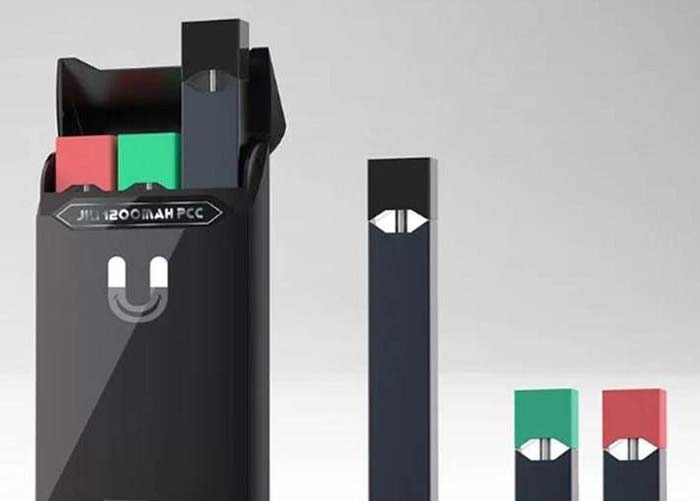 On October 25, the China Chamber of Commerce for Import and Export of Machinery and Electronic Products, the China Electronic Chamber of Commerce, and the Shenzhen Fair Trade Promotion Agency held a response meeting to discuss Juul Labs' accusations.
Coincidentally, on November 21, Juul Labs again filed a request with the ITC to initiate a 337 investigation against five Chinese e-cigarette companies and issued a limited exclusion order and a cease-and-desist order.
These Chinese e-cigarette companies include Shenzhen Ruofan Technology Co., Ltd., Shenzhen Yibai Technology Co., Ltd., Shenzhen Haka Technology Co., Ltd., and Shenzhen Yibo Electronics Co., Ltd. Among them, Shenzhen Jiangbai Technology Co., Ltd. and Shenzhen Yibo Electronics Co., Ltd. have been targeted twice.
During the last response preparation meeting, the China Chamber of Commerce for Import and Export of Machinery and Electronic Products, the China Electronic Chamber of Commerce, and the Shenzhen Fair Trade Promotion Agency held a working meeting to discuss Juul Labs' accusations. The next day, Juul Labs corrected its application.
In this response preparation meeting, the China Chamber of Commerce for Import and Export of Machinery and Electronic Products, commissioned by the Ministry of Commerce, will organize companies to respond to Juul Labs' accusations and the U.S. 337 investigation. It is expected that the decision on whether Juul Labs' accusations will be filed will be announced next week.
Juul Labs' two actions are remarkably similar. It is evident that Juul Labs is systematically and rhythmically obstructing and undermining the expansion of Chinese e-cigarette companies in the U.S. market, so such patent issues are likely to continue to arise.
 More than two months ago, Philip Morris International, the company behind the heated tobacco product IQOS, filed a patent infringement lawsuit against British American Tobacco, which produces the heated tobacco product glo, marking the beginning of a patent war between these two industry giants.
E-cigarettes have undergone multiple upgrades, resulting in a vast number of patents. The patents held by major industry players like Philip Morris International and British American Tobacco have reached tens of thousands globally. Particularly, Philip Morris International has a dense patent layout in the niche of heated tobacco products, covering various implementation methods.
After over a decade of development, the branding process of Chinese e-cigarette companies has accelerated, and these patent issues pose a serious threat to the export of Chinese e-cigarette brands. Faced with such high risks of patent infringement, how should companies respond?
Whether facing a 337 patent infringement investigation or a patent infringement lawsuit, companies must first confirm whether their products infringe on the other party's patent rights.
The work done to determine whether a product infringes on patent rights is called patent infringement analysis. Infringement determination involves three major principles: "all elements rule," "doctrine of equivalents," and "prohibition against recapture." Simply put, if a claim includes features A, B, and C, and the product in question also includes features A, B, and C (or even D, etc.), then the product is suspected of falling within the protection scope of the corresponding patent claim.
This article uses the patent involved in Philip Morris International's lawsuit against British American Tobacco (publication number JP6210610B2) as the patent to be analyzed, and the product glo as the product to be analyzed, to conduct a simple patent infringement analysis. This article only compares and analyzes the independent claim 1 of the above-mentioned patent, which was originally in Japanese. Using an AI translation engine (AIPTS), the Japanese claim was translated into Chinese, and then an infringement comparison analysis table was created, ultimately concluding whether it falls within the patent protection scope. As shown in Figure 2, it can be preliminarily determined that the glo product has already fallen within the protection scope of the independent claim of the involved patent.
It is important to note that patent infringement determination is a very rigorous task that requires patent lawyers to have a thorough understanding of the relevant legal basis for patent infringement determination and possess rich judicial practice experience. They must deeply understand the characteristics of the infringing product, profoundly comprehend the content of patent claims and technical solutions in the specification, and combine examination records to ultimately make a determination based on the principles of infringement. If companies are concerned that their developing products may infringe on patents, they can commission professional institutions to conduct an infringement analysis/FTO (freedom to operate) investigation to clarify whether the target product poses an infringement risk and which patents may be infringed, allowing them to take preemptive measures such as design avoidance or patent invalidation to prevent significant economic losses.
In early October, Juul Labs in the United States accused six Chinese e-cigarette companies of infringing on its patents for e-cigarette products and components exported to the U.S., imported into the U.S., or sold in the U.S. They filed a complaint with the U.S. International Trade Commission (ITC) and issued a limited exclusion order and a cease-and-desist order.
According to investigations, the four U.S. patents involved in Juul Labs' 337 investigation were granted in August and September of this year, indicating that American companies are "eager" to use patent weapons against competitors.
On October 25, the China Chamber of Commerce for Import and Export of Machinery and Electronic Products, the China Electronic Chamber of Commerce, and the Shenzhen Fair Trade Promotion Agency held a response meeting to discuss Juul Labs' accusations.Coincidentally, on November 21, Juul Labs again filed a request with the ITC to initiate a 337 investigation against five Chinese e-cigarette companies and issued a limited exclusion order and a cease-and-desist order.
These Chinese e-cigarette companies include Shenzhen Ruofan Technology Co., Ltd., Shenzhen Yibai Technology Co., Ltd., Shenzhen Haka Technology Co., Ltd., and Shenzhen Yibo Electronics Co., Ltd. Among them, Shenzhen Jiangbai Technology Co., Ltd. and Shenzhen Yibo Electronics Co., Ltd. have been targeted twice.
During the last response preparation meeting, the China Chamber of Commerce for Import and Export of Machinery and Electronic Products, the China Electronic Chamber of Commerce, and the Shenzhen Fair Trade Promotion Agency held a working meeting to discuss Juul Labs' accusations. The next day, Juul Labs corrected its application.
In this response preparation meeting, the China Chamber of Commerce for Import and Export of Machinery and Electronic Products, commissioned by the Ministry of Commerce, will organize companies to respond to Juul Labs' accusations and the U.S. 337 investigation. It is expected that the decision on whether Juul Labs' accusations will be filed will be announced next week.
Juul Labs' two actions are remarkably similar. It is evident that Juul Labs is systematically and rhythmically obstructing and undermining the expansion of Chinese e-cigarette companies in the U.S. market, so such patent issues are likely to continue to arise.
More than two months ago, Philip Morris International, the company behind the heated tobacco product IQOS, filed a patent infringement lawsuit against British American Tobacco, which produces the heated tobacco product glo, marking the beginning of a patent war between these two industry giants.E-cigarettes have undergone multiple upgrades, resulting in a vast number of patents. The patents held by major industry players like Philip Morris International and British American Tobacco have reached tens of thousands globally. Particularly, Philip Morris International has a dense patent layout in the niche of heated tobacco products, covering various implementation methods.
After over a decade of development, the branding process of Chinese e-cigarette companies has accelerated, and these patent issues pose a serious threat to the export of Chinese e-cigarette brands. Faced with such high risks of patent infringement, how should companies respond?
Whether facing a 337 patent infringement investigation or a patent infringement lawsuit, companies must first confirm whether their products infringe on the other party's patent rights.
The work done to determine whether a product infringes on patent rights is called patent infringement analysis. Infringement determination involves three major principles: "all elements rule," "doctrine of equivalents," and "prohibition against recapture." Simply put, if a claim includes features A, B, and C, and the product in question also includes features A, B, and C (or even D, etc.), then the product is suspected of falling within the protection scope of the corresponding patent claim.
This article uses the patent involved in Philip Morris International's lawsuit against British American Tobacco (publication number JP6210610B2) as the patent to be analyzed, and the product glo as the product to be analyzed, to conduct a simple patent infringement analysis. This article only compares and analyzes the independent claim 1 of the above-mentioned patent, which was originally in Japanese. Using an AI translation engine (AIPTS), the Japanese claim was translated into Chinese, and then an infringement comparison analysis table was created, ultimately concluding whether it falls within the patent protection scope. As shown in Figure 2, it can be preliminarily determined that the glo product has already fallen within the protection scope of the independent claim of the involved patent.
It is important to note that patent infringement determination is a very rigorous task that requires patent lawyers to have a thorough understanding of the relevant legal basis for patent infringement determination and possess rich judicial practice experience. They must deeply understand the characteristics of the infringing product, profoundly comprehend the content of patent claims and technical solutions in the specification, and combine examination records to ultimately make a determination based on the principles of infringement. If companies are concerned that their developing products may infringe on patents, they can commission professional institutions to conduct an infringement analysis/FTO (freedom to operate) investigation to clarify whether the target product poses an infringement risk and which patents may be infringed, allowing them to take preemptive measures such as design avoidance or patent invalidation to prevent significant economic losses.


