
E-cigarette market analysis: do you know these future trends?
For Chinese consumers, the term e-cigarette is both familiar and unfamiliar. People often see e-cigarettes mentioned in the news and on television, but how many truly understand what they are? In overseas terminology, vape and HNB (heat-not-burn / heated
“E-cigarette” is a term that is both familiar and unfamiliar to the Chinese people. We often see e-cigarettes in the news and on television, but how many people really understand what an e-cigarette is? In foreign dictionaries, “Vape” and “HNB” (Heated Not Burned) are two distinct terms, but in China, many media outlets refer to both as e-cigarettes!
However, the Chinese government does not recognize “HNB” as an e-cigarette, considering it a tobacco product. So how should the public understand the term “e-cigarette”? We hope that once national standards are established, there will be a clear distinction.
Currently, the recognition of Vape and HNB in China is increasing, gradually attracting the attention of the government. HNB imported products are now fully regulated, and standards for Vape are about to be introduced, leaving many people feeling anxious.
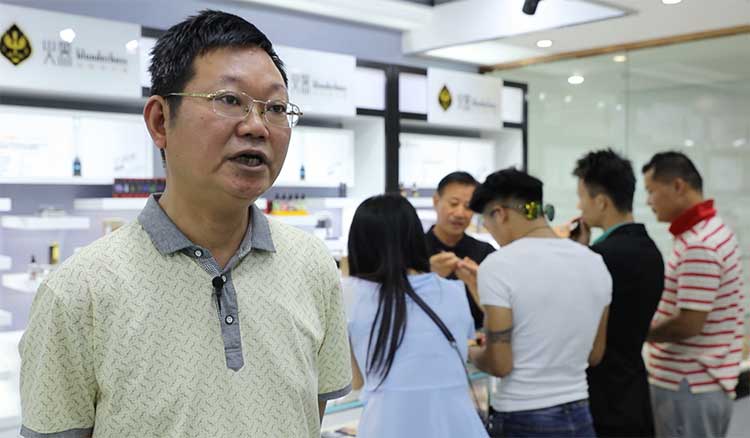
China is a major exporter of Vapes; if Chinese Vapes fail, the world will be affected.
The China National Tobacco Corporation is producing and developing HNB products, and a complete ban on HNB is unlikely.
So what will the future of “e-cigarettes” look like?
Recently, I have seen many speculations online about the Chinese e-cigarette market, but they seem to miss the point; Vape and HNB are fundamentally different! Therefore, I would like to add some points for discussion on the future of the Chinese e-cigarette market.
Where will large cloud devices go?
If Vape is classified as tobacco, then large cloud devices will be considered smoking devices. We know that smoking devices like pipes are not regulated, but large cloud devices are different because they involve safety issues! Therefore, in the future, the production of large cloud devices will likely require strict quality inspections by relevant authorities, and manufacturers will need to obtain approval to produce products.
How will e-liquids be positioned?
Given the current situation, because e-liquids contain nicotine, they are likely to be classified as tobacco products. This makes e-liquids a critical area for regulation, leading us to two speculations.
1: Major e-liquid manufacturers will need to purchase nicotine raw materials from official channels (like China National Tobacco Corporation) and must obtain relevant permits and pass quality inspections. Even nicotine-free e-liquids must undergo quality inspections, as VG, PG, and other raw materials can also harm the human body if they are abnormal.
It is worth mentioning that in the future, there may be limits on the maximum nicotine concentration in e-liquids!
2: The worst-case scenario is that e-liquids will be uniformly produced by China National Tobacco Corporation.
The future of small vapes
Small vapes, specifically referring to disposable small vapes and closed-system pod vapes, often have inseparable e-liquids and devices. Moreover, the nicotine concentration in small vapes is generally high, raising physiological safety concerns.
Therefore, it seems that the future situation for small vapes and e-liquids will be similar.
The sales terminals for Vapes
The sales terminals for Vapes are extremely chaotic, with rampant price fluctuations and poor-quality products. Currently, the U.S. is also proposing to eliminate online sales of Vapes. So what if e-liquids are classified as tobacco in China?
We know that traditional tobacco can only be purchased at licensed tobacco shops, and online sales are prohibited. What about Vapes?
Currently, the online sales terminals for Vapes are divided into two types: private transactions (WeChat merchants, Douyin merchants, etc.) and official platform transactions (Taobao, JD.com, etc.).
Private transactions are mostly dead; there's no need to consider them anymore.
Official platform transactions have two possibilities: 1: both will fail; 2: only manufacturers with operating licenses can sell online.
As for offline sales terminals, which we refer to as physical stores, they may need to apply for sales licenses like traditional tobacco distribution stores.
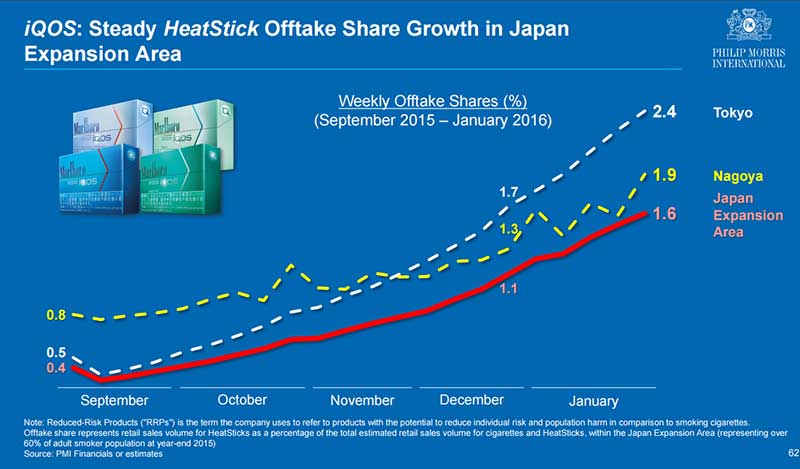
 Heated Not Burned
Classified as tobacco, sold by the State Tobacco Monopoly Administration
Do you remember how difficult it was to buy “Black Magic” or “Blue Explosion” back in the day? But now, these products can be easily purchased at convenience stores. If heated not burned products are fully taken over by the State Tobacco Monopoly Administration, will these also appear in tobacco shops in the future? Happy, right? #p#分页标题#e#
Only products produced by China National Tobacco Corporation will be allowed for sale
We all know that China National Tobacco Corporation has been producing heated not burned products for export. Recently, Philip Morris International, the parent company of IQOS, is considering abandoning traditional cigarettes to focus on selling heated not burned products. With 350 million smokers in China, it is certainly one of their targets. How can we allow the local market to be impacted by imported products first? Therefore, at least initially, it is unlikely that we will allow IQOS, LIL, and others to continue to operate in China; the sales channels for heated not burned products produced by China National Tobacco Corporation will be prioritized, followed by the opening of the imported product market.
In summary, both Vape and heated not burned products are new types of tobacco and represent a global trend. Their user base is continuously expanding. If China were to completely ban one of them, it would be too extreme! However, the intensity and methods of regulation will undergo significant changes.
Recently, Canada has established Vape laws, Australia is reconsidering the intensity of nicotine regulation, and many countries in the UK and EU are promoting the use of Vapes. I believe that soon China will also ride this wave and open the door to a new era of Vapes.
However, the Chinese government does not recognize “HNB” as an e-cigarette, considering it a tobacco product. So how should the public understand the term “e-cigarette”? We hope that once national standards are established, there will be a clear distinction.
Currently, the recognition of Vape and HNB in China is increasing, gradually attracting the attention of the government. HNB imported products are now fully regulated, and standards for Vape are about to be introduced, leaving many people feeling anxious.
China is a major exporter of Vapes; if Chinese Vapes fail, the world will be affected.
The China National Tobacco Corporation is producing and developing HNB products, and a complete ban on HNB is unlikely.
So what will the future of “e-cigarettes” look like?
Recently, I have seen many speculations online about the Chinese e-cigarette market, but they seem to miss the point; Vape and HNB are fundamentally different! Therefore, I would like to add some points for discussion on the future of the Chinese e-cigarette market.
Where will large cloud devices go?
If Vape is classified as tobacco, then large cloud devices will be considered smoking devices. We know that smoking devices like pipes are not regulated, but large cloud devices are different because they involve safety issues! Therefore, in the future, the production of large cloud devices will likely require strict quality inspections by relevant authorities, and manufacturers will need to obtain approval to produce products.
How will e-liquids be positioned?
Given the current situation, because e-liquids contain nicotine, they are likely to be classified as tobacco products. This makes e-liquids a critical area for regulation, leading us to two speculations.
1: Major e-liquid manufacturers will need to purchase nicotine raw materials from official channels (like China National Tobacco Corporation) and must obtain relevant permits and pass quality inspections. Even nicotine-free e-liquids must undergo quality inspections, as VG, PG, and other raw materials can also harm the human body if they are abnormal.
It is worth mentioning that in the future, there may be limits on the maximum nicotine concentration in e-liquids!
2: The worst-case scenario is that e-liquids will be uniformly produced by China National Tobacco Corporation.
The future of small vapes
Small vapes, specifically referring to disposable small vapes and closed-system pod vapes, often have inseparable e-liquids and devices. Moreover, the nicotine concentration in small vapes is generally high, raising physiological safety concerns.
Therefore, it seems that the future situation for small vapes and e-liquids will be similar.
The sales terminals for Vapes
The sales terminals for Vapes are extremely chaotic, with rampant price fluctuations and poor-quality products. Currently, the U.S. is also proposing to eliminate online sales of Vapes. So what if e-liquids are classified as tobacco in China?
We know that traditional tobacco can only be purchased at licensed tobacco shops, and online sales are prohibited. What about Vapes?
Currently, the online sales terminals for Vapes are divided into two types: private transactions (WeChat merchants, Douyin merchants, etc.) and official platform transactions (Taobao, JD.com, etc.).
Private transactions are mostly dead; there's no need to consider them anymore.
Official platform transactions have two possibilities: 1: both will fail; 2: only manufacturers with operating licenses can sell online.
As for offline sales terminals, which we refer to as physical stores, they may need to apply for sales licenses like traditional tobacco distribution stores.
Heated Not BurnedClassified as tobacco, sold by the State Tobacco Monopoly Administration
Do you remember how difficult it was to buy “Black Magic” or “Blue Explosion” back in the day? But now, these products can be easily purchased at convenience stores. If heated not burned products are fully taken over by the State Tobacco Monopoly Administration, will these also appear in tobacco shops in the future? Happy, right? #p#分页标题#e#
Only products produced by China National Tobacco Corporation will be allowed for sale
We all know that China National Tobacco Corporation has been producing heated not burned products for export. Recently, Philip Morris International, the parent company of IQOS, is considering abandoning traditional cigarettes to focus on selling heated not burned products. With 350 million smokers in China, it is certainly one of their targets. How can we allow the local market to be impacted by imported products first? Therefore, at least initially, it is unlikely that we will allow IQOS, LIL, and others to continue to operate in China; the sales channels for heated not burned products produced by China National Tobacco Corporation will be prioritized, followed by the opening of the imported product market.
In summary, both Vape and heated not burned products are new types of tobacco and represent a global trend. Their user base is continuously expanding. If China were to completely ban one of them, it would be too extreme! However, the intensity and methods of regulation will undergo significant changes.
Recently, Canada has established Vape laws, Australia is reconsidering the intensity of nicotine regulation, and many countries in the UK and EU are promoting the use of Vapes. I believe that soon China will also ride this wave and open the door to a new era of Vapes.


