Do Fancy Coils and Standard Coils Differ Greatly in Flavor and Vapor?
Do fancy coils and standard coils really make a big difference in flavor and vapor production? Many people new to vaping may not fully understand the difference between these coil types, or even how a vaping device works. In fact, the principle is simple:
Do Fancy Coils and Standard Coils Differ Greatly in Flavor and Vapor?? Many friends who are new to vaping may not fully understand the concepts of fancy coils and standard coils, nor do they grasp how electronic cigarettes work. In fact, the method by which electronic cigarettes produce vapor is quite simple: the battery outputs power to heat the resistance wire, which then evaporates the e-liquid through components like cotton or ceramic cores, resulting in the release of vapor that we can inhale.
Many users of pod systems and pre-made atomizers might say, "I don't need to make or replace the resistance wire myself," because the products come with a built-in heating atomization structure. Therefore, you can simply replace the pods or change the pre-made atomizer core and refill with e-liquid, saving you from the tedious steps of making and burning the wire.
Of course, some enthusiasts are always pursuing flavor and large vapor production. After all, good e-liquids require appreciation, just like good tea requires a proper tea ceremony. This is why many DIY atomizers are loved and sought after by players. Whether it's RTA, RDA, or RDTA atomizers, they all revolve around one thing: making coils.
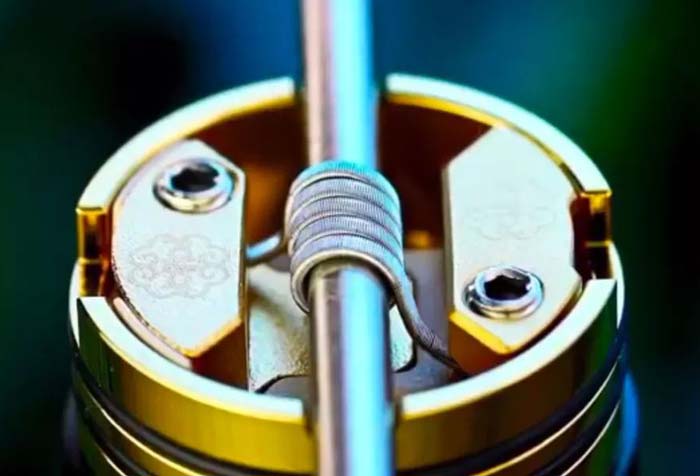 Currently, the resistance wires commonly used by players include A1 alloy wire (iron-chromium-aluminum) and nickel wire (Ni80). Older temperature control wires are rarely used now due to their complexity and the extensive knowledge required to operate them, so we won't delve into that here.
After understanding the materials, let's discuss the concepts of standard coils and fancy coils:
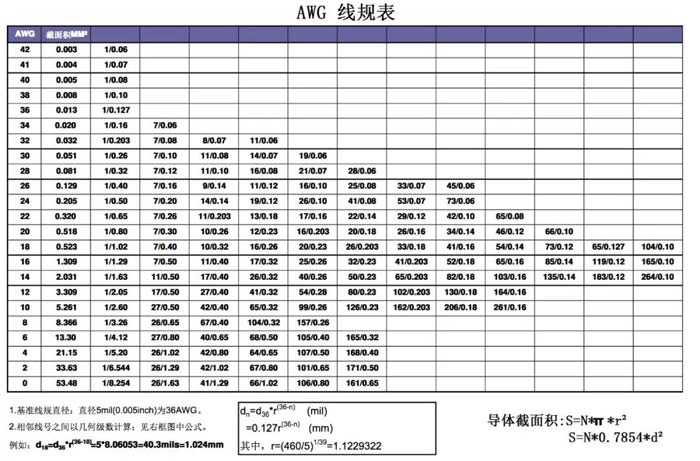 1. Standard coils, as the name suggests, are single strands of wire, which can be divided into different diameters (thicknesses). The most common sizes are 0.25mm, 0.32mm, 0.4mm, 0.5mm, 0.6mm, and 0.7mm (31AWG, 28AWG, 26AWG, 24AWG, 22AWG, 21AWG).
2. Fancy coils are a type of decorative heating wire, which, compared to standard coils, are made from more than one heating wire through various methods. For example, a triple-core Clapton is made by wrapping a layer of finer resistance wire around three wires of the same thickness, resulting in a larger heating area.
Standard Coils
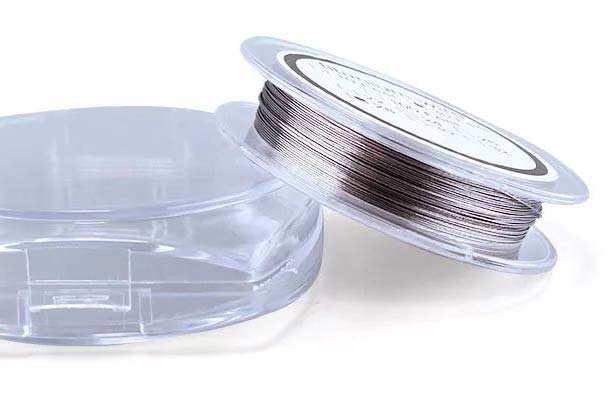 Players using standard coils can be divided into two types: one group enjoys flavor because standard coils can reveal the layers of e-liquid, making them more suitable for mouth-to-lung and light lung hits. Loose wraps can soften the flavor, while tight wraps can enhance the richness of the vapor; the second group consists of some "old-school hardcore players" who still prefer to use standard coils for large vapor production, as there were no fancy coils in the past, and habits and sentiments are not easily changed.
Fancy Coils
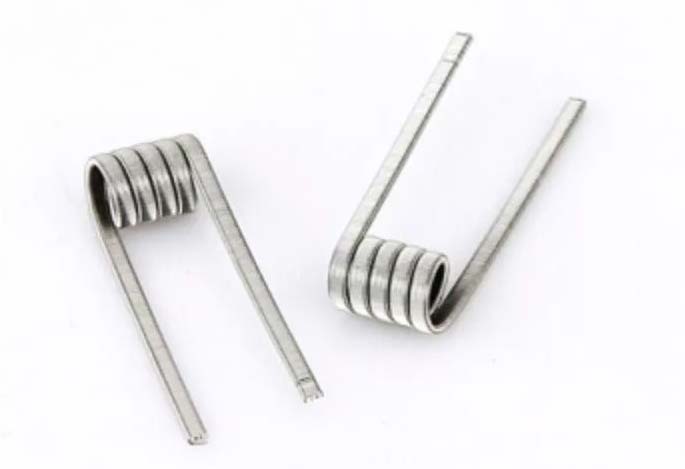 Users of fancy coils generally use them for large vapor production. One reason is that they have a larger heating area, allowing for a very rich flavor when vaping a single flavor e-liquid, although the complexity of flavor may be weaker; the second reason is that making coils is simple—once you have them, you can easily trim off the excess and secure them before inserting the wicking material, enriching the DIY experience while still delivering the thrill of large vapor production.
Of course, there are many ways to use both fancy and standard coils. Today, I only shared the conceptual aspects of the two. Tomorrow, I will discuss more professional content, such as how to calculate data, how many watts to use, and the diameter of the resistance wire, as well as the number of wraps, so feel free to add my WeChat huoqi8 for more details!
Many users of pod systems and pre-made atomizers might say, "I don't need to make or replace the resistance wire myself," because the products come with a built-in heating atomization structure. Therefore, you can simply replace the pods or change the pre-made atomizer core and refill with e-liquid, saving you from the tedious steps of making and burning the wire.
Of course, some enthusiasts are always pursuing flavor and large vapor production. After all, good e-liquids require appreciation, just like good tea requires a proper tea ceremony. This is why many DIY atomizers are loved and sought after by players. Whether it's RTA, RDA, or RDTA atomizers, they all revolve around one thing: making coils.
Currently, the resistance wires commonly used by players include A1 alloy wire (iron-chromium-aluminum) and nickel wire (Ni80). Older temperature control wires are rarely used now due to their complexity and the extensive knowledge required to operate them, so we won't delve into that here.After understanding the materials, let's discuss the concepts of standard coils and fancy coils:
1. Standard coils, as the name suggests, are single strands of wire, which can be divided into different diameters (thicknesses). The most common sizes are 0.25mm, 0.32mm, 0.4mm, 0.5mm, 0.6mm, and 0.7mm (31AWG, 28AWG, 26AWG, 24AWG, 22AWG, 21AWG).2. Fancy coils are a type of decorative heating wire, which, compared to standard coils, are made from more than one heating wire through various methods. For example, a triple-core Clapton is made by wrapping a layer of finer resistance wire around three wires of the same thickness, resulting in a larger heating area.
Standard Coils
Players using standard coils can be divided into two types: one group enjoys flavor because standard coils can reveal the layers of e-liquid, making them more suitable for mouth-to-lung and light lung hits. Loose wraps can soften the flavor, while tight wraps can enhance the richness of the vapor; the second group consists of some "old-school hardcore players" who still prefer to use standard coils for large vapor production, as there were no fancy coils in the past, and habits and sentiments are not easily changed.Fancy Coils
Users of fancy coils generally use them for large vapor production. One reason is that they have a larger heating area, allowing for a very rich flavor when vaping a single flavor e-liquid, although the complexity of flavor may be weaker; the second reason is that making coils is simple—once you have them, you can easily trim off the excess and secure them before inserting the wicking material, enriching the DIY experience while still delivering the thrill of large vapor production.Of course, there are many ways to use both fancy and standard coils. Today, I only shared the conceptual aspects of the two. Tomorrow, I will discuss more professional content, such as how to calculate data, how many watts to use, and the diameter of the resistance wire, as well as the number of wraps, so feel free to add my WeChat huoqi8 for more details!