Oukitel Vape Review
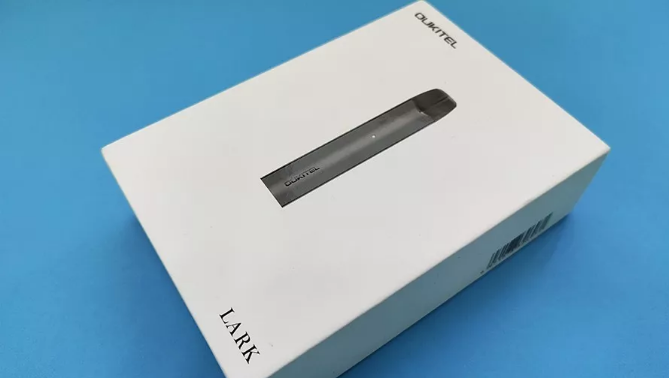
Oukitel uses a solid-color two-piece box design, which feels a bit too simple compared with well-known pod systems. In fact, this packaging is only for the test version, while the retail version will adopt completely new packaging. In terms of appearance,
Oukitel's packaging is a simple color top and bottom design, which feels overly simplistic compared to well-known pod systems. In fact, this packaging is just for the testing version, while the mass-produced version will feature a brand new packaging design.
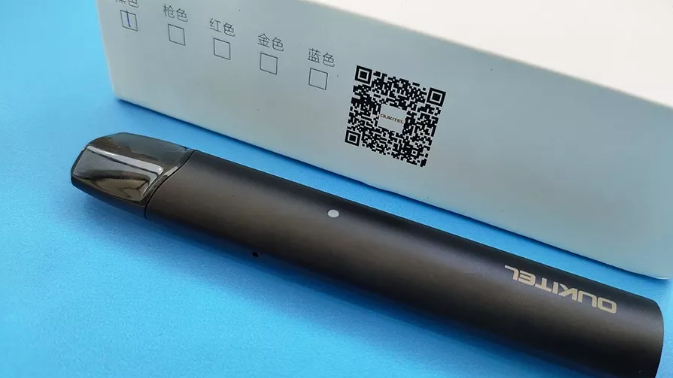
Oukitel's appearance is quite different from the current mainstream refillable pod systems, resembling well-known pod systems instead. I personally judge that previous refillable pods emphasized battery life, so their bodies generally adopted a wide design, while Oukitel emphasizes similarity to well-known pods, making it feel more acceptable to users.
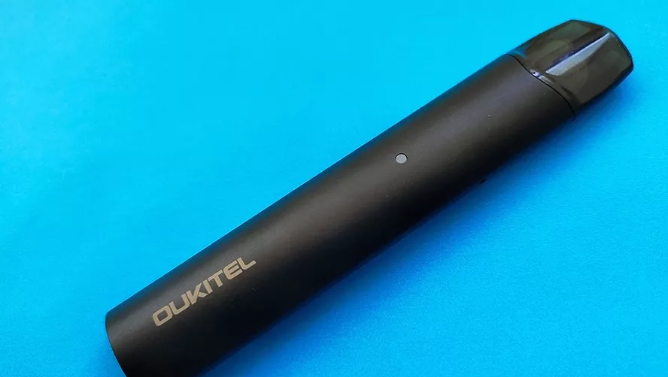
Oukitel not only features an oval design with rounded corners, but its paint surface also uses #200 zircon sand spraying technology, giving the product a good texture and excellent grip, while effectively solving slippage and wear resistance issues.
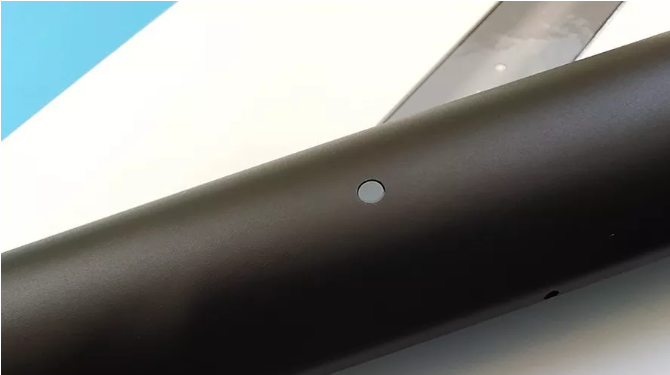
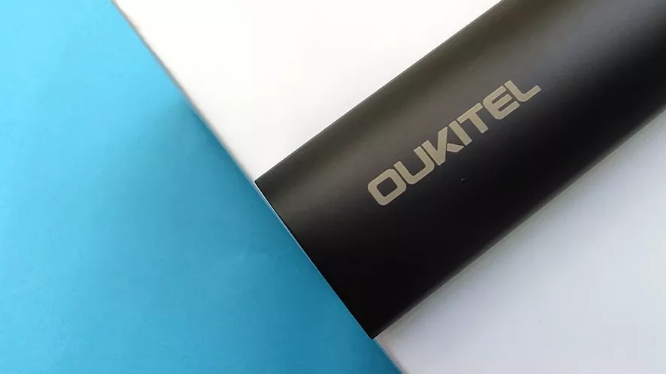
The LED indicator adopts a dot design. As for the logo design on the body, I feel it could be more upscale, as the quality of the logo can enhance the overall aesthetic.
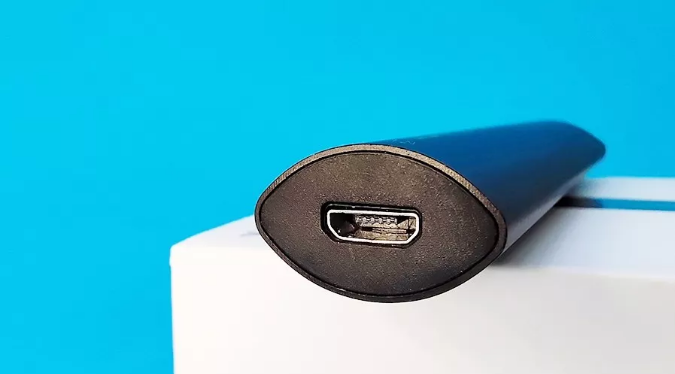
The charging port at the bottom of the Oukitel is a USB charging port, which is convenient to use. In fact, there is no need to innovate in the design of the charging port; following the smartphone trend is a safe bet.
Like most pod systems, Oukitel features dual side airflow, which, compared to bottom designs, prevents airflow from passing through the circuit board and battery, reducing the risk of contamination. It also shortens the airflow path, allowing for quicker vapor production. Additionally, it helps carry away the vapor accumulated between the pod and the device, reducing the risk of condensation leaking into the device and damaging the circuit board.

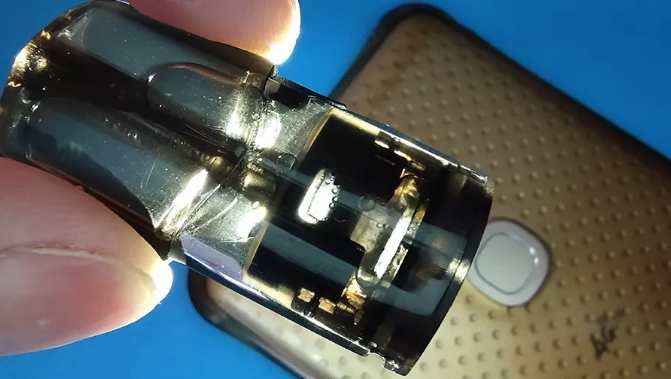
Regarding the design of the refillable pod, I feel that its design is more refined, harmonizing well with the device. The good transparency allows users to monitor the remaining e-liquid level easily.
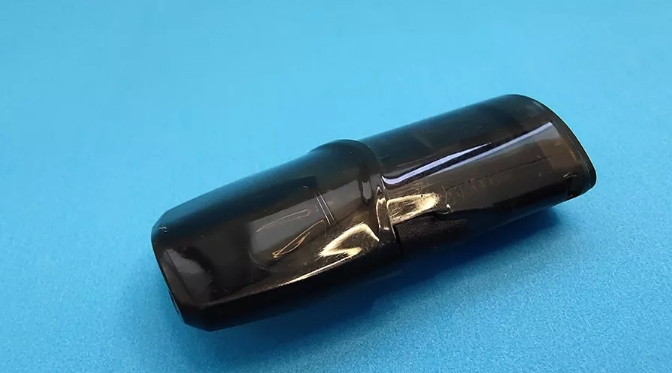
Upon inspection, the internal structure of the pod is quite similar to well-known pods, with a visible ceramic core. It is said that its ceramic core uses their patented fifth-generation honeycomb ceramic atomization technology, which features smaller micropores than mainstream fifth-generation ceramic cores, resulting in finer oil guiding and atomization, while reducing the risk of dry hits. This is also the fundamental reason why I have not experienced any dry hits after using it for several days.
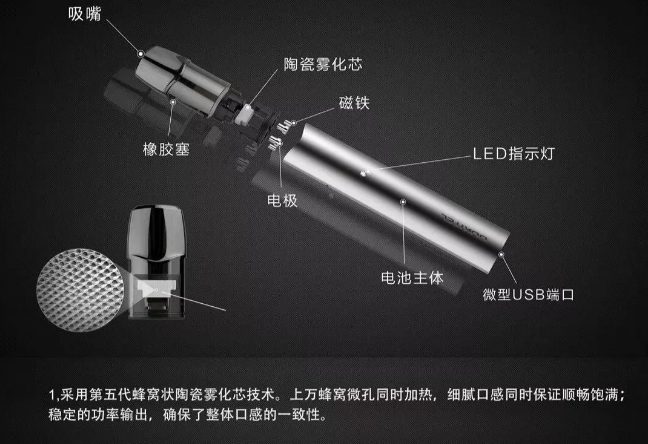
In my experience with refillable pods, such as VEIIK, they generally use cotton cores. While cotton cores also perform well in atomization, they are evidently not as effective in preventing dry hits as ceramic cores. This is an advantage of Oukitel over cotton core devices.
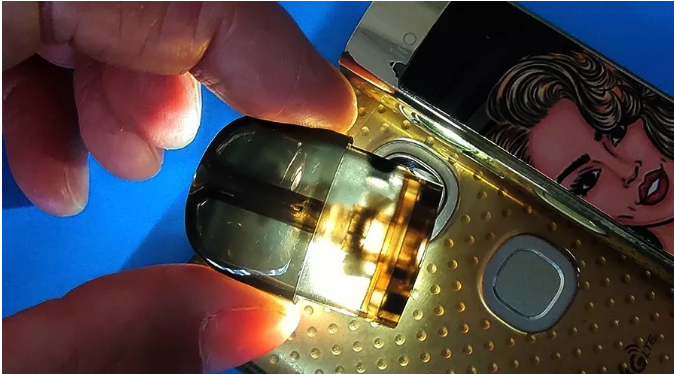
Since Oukitel's pods are open refillable, they naturally require a refill hole. As shown, the refill hole is located on the side, and simply removing the refill plug allows for easy refilling, with a capacity of about 1.8ml. However, the refill plug is not fixed to the pod, making it easy to lose, but fortunately, the manufacturer provides a spare plug.
Regarding the external material of the pod, it is said to be made of medical-grade edible materials, eliminating the risk of toxic substances leaching out. Additionally, the pod has passed IP68 waterproof testing, ensuring that there will be no significant leakage issues in the three chambers.
Moreover, the manufacturer sincerely states that slight oil seepage and condensation may occasionally occur. However, in my tests, I have not encountered such issues, and I must commend the manufacturer for their honest and pragmatic attitude.
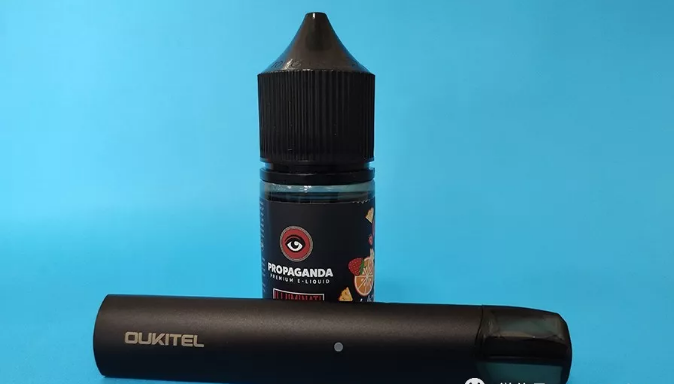
For pod systems, flavor is the fundamental aspect of survival. I filled it with Asmodus mixed fruit nicotine salt and found that it reproduced the flavor of the e-liquid quite well, with smooth vapor. After finishing two pods, Oukitel indeed demonstrated excellent quality without leaks or dry hits.
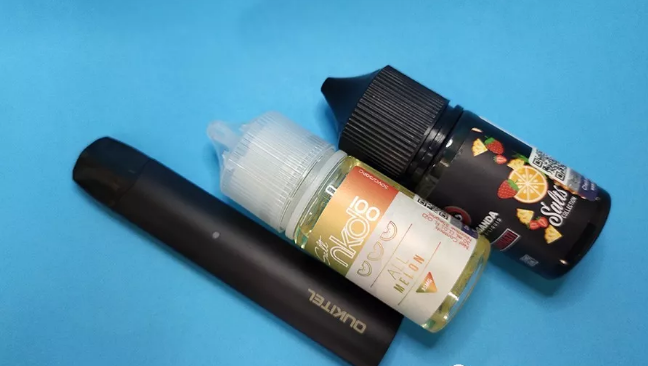
As of the time of writing this review, I have refilled three pods, and the flavor remains good, indicating that the ceramic core's resistance to dry hits is indeed impressive. When I filled the third pod with Asmodus sweet melon, I could still taste the previous e-liquid flavor on the fifth puff, and by the sixth puff, it transitioned perfectly to the sweet melon flavor. This shows that Oukitel has done an excellent job in addressing the issue of flavor mixing between different e-liquids.
As for how many pods Oukitel can use, the manufacturer's conservative response is "three pods without dry hits." However, when refilling, care must be taken to prevent ceramic particles from breaking off and being inhaled.
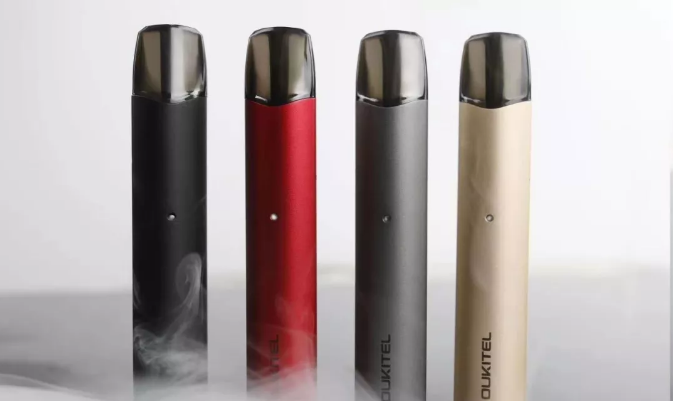
Upon reflection, this open refillable pod system may be more favored by users, as its flavor selection and freedom are unmatched by closed pod systems, and the usage cost is lower compared to closed pod systems. Coupled with its excellent flavor performance, it is sure to create a ripple among users.
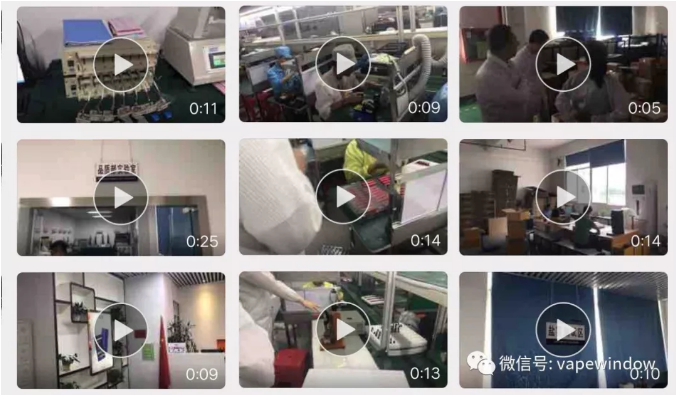
Finally, I would like to share a screenshot of the video sent to me by the manufacturer. If given the opportunity, I would really like to experience the serious, pragmatic, and lively production scene.
Oukitel's appearance is quite different from the current mainstream refillable pod systems, resembling well-known pod systems instead. I personally judge that previous refillable pods emphasized battery life, so their bodies generally adopted a wide design, while Oukitel emphasizes similarity to well-known pods, making it feel more acceptable to users.
Oukitel not only features an oval design with rounded corners, but its paint surface also uses #200 zircon sand spraying technology, giving the product a good texture and excellent grip, while effectively solving slippage and wear resistance issues.
The LED indicator adopts a dot design. As for the logo design on the body, I feel it could be more upscale, as the quality of the logo can enhance the overall aesthetic.
The charging port at the bottom of the Oukitel is a USB charging port, which is convenient to use. In fact, there is no need to innovate in the design of the charging port; following the smartphone trend is a safe bet.
Like most pod systems, Oukitel features dual side airflow, which, compared to bottom designs, prevents airflow from passing through the circuit board and battery, reducing the risk of contamination. It also shortens the airflow path, allowing for quicker vapor production. Additionally, it helps carry away the vapor accumulated between the pod and the device, reducing the risk of condensation leaking into the device and damaging the circuit board.
Regarding the design of the refillable pod, I feel that its design is more refined, harmonizing well with the device. The good transparency allows users to monitor the remaining e-liquid level easily.
Upon inspection, the internal structure of the pod is quite similar to well-known pods, with a visible ceramic core. It is said that its ceramic core uses their patented fifth-generation honeycomb ceramic atomization technology, which features smaller micropores than mainstream fifth-generation ceramic cores, resulting in finer oil guiding and atomization, while reducing the risk of dry hits. This is also the fundamental reason why I have not experienced any dry hits after using it for several days.
In my experience with refillable pods, such as VEIIK, they generally use cotton cores. While cotton cores also perform well in atomization, they are evidently not as effective in preventing dry hits as ceramic cores. This is an advantage of Oukitel over cotton core devices.
Since Oukitel's pods are open refillable, they naturally require a refill hole. As shown, the refill hole is located on the side, and simply removing the refill plug allows for easy refilling, with a capacity of about 1.8ml. However, the refill plug is not fixed to the pod, making it easy to lose, but fortunately, the manufacturer provides a spare plug.
Regarding the external material of the pod, it is said to be made of medical-grade edible materials, eliminating the risk of toxic substances leaching out. Additionally, the pod has passed IP68 waterproof testing, ensuring that there will be no significant leakage issues in the three chambers.
Moreover, the manufacturer sincerely states that slight oil seepage and condensation may occasionally occur. However, in my tests, I have not encountered such issues, and I must commend the manufacturer for their honest and pragmatic attitude.
For pod systems, flavor is the fundamental aspect of survival. I filled it with Asmodus mixed fruit nicotine salt and found that it reproduced the flavor of the e-liquid quite well, with smooth vapor. After finishing two pods, Oukitel indeed demonstrated excellent quality without leaks or dry hits.
As of the time of writing this review, I have refilled three pods, and the flavor remains good, indicating that the ceramic core's resistance to dry hits is indeed impressive. When I filled the third pod with Asmodus sweet melon, I could still taste the previous e-liquid flavor on the fifth puff, and by the sixth puff, it transitioned perfectly to the sweet melon flavor. This shows that Oukitel has done an excellent job in addressing the issue of flavor mixing between different e-liquids.
As for how many pods Oukitel can use, the manufacturer's conservative response is "three pods without dry hits." However, when refilling, care must be taken to prevent ceramic particles from breaking off and being inhaled.
Upon reflection, this open refillable pod system may be more favored by users, as its flavor selection and freedom are unmatched by closed pod systems, and the usage cost is lower compared to closed pod systems. Coupled with its excellent flavor performance, it is sure to create a ripple among users.
Finally, I would like to share a screenshot of the video sent to me by the manufacturer. If given the opportunity, I would really like to experience the serious, pragmatic, and lively production scene.