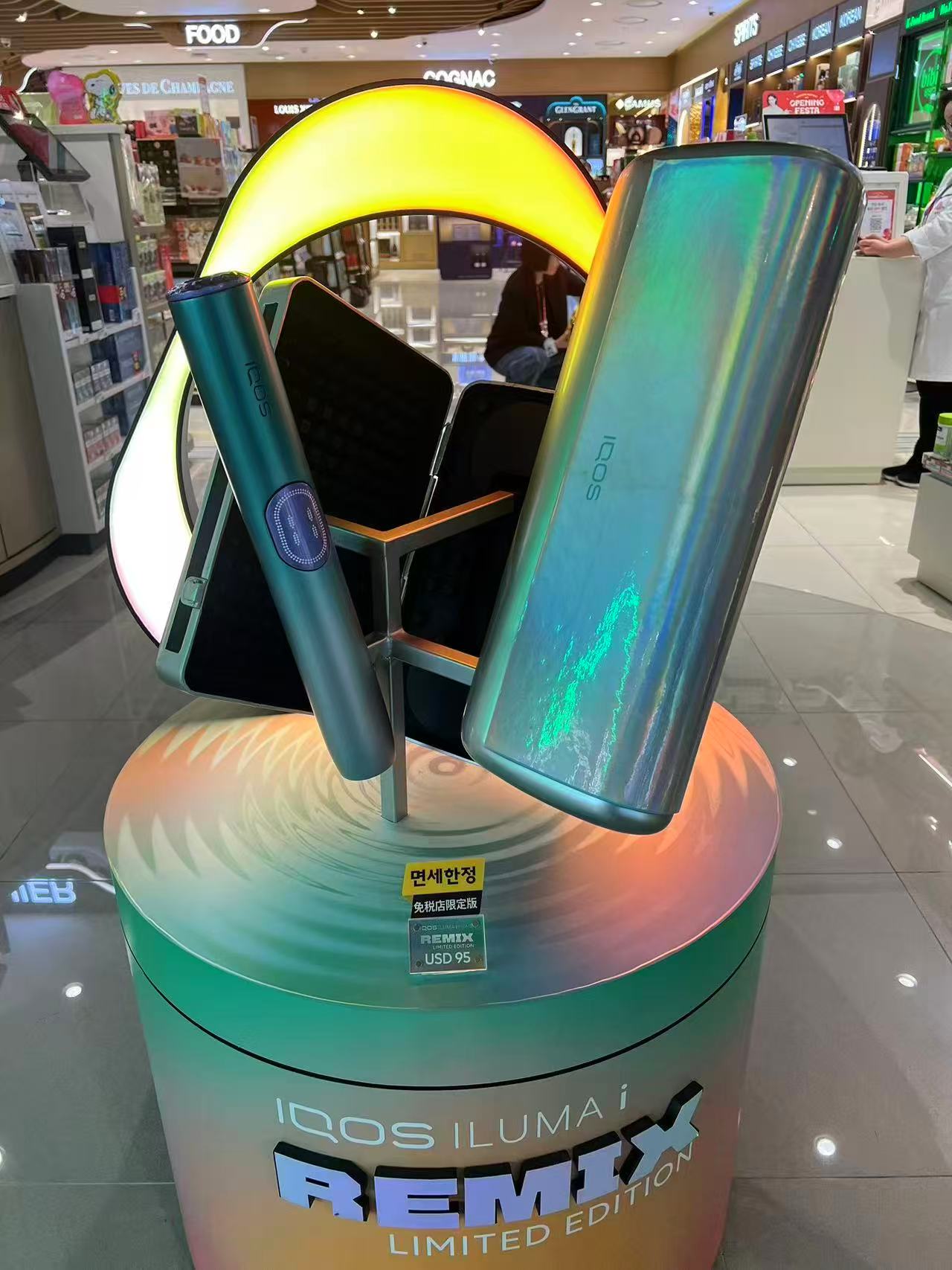
IQOS Banned from Sale in Australia
Although scientific studies show that heated tobacco products (HTPs) are safer than combustible cigarettes, the Therapeutic Goods Administration (TGA) has blocked Philip Morris's efforts to launch the product in Australia. It is estimated that around 239,
Despite scientific research indicating that heated tobacco products (HTPs) are safer than combustible cigarettes, the Therapeutic Goods Administration (TGA) has blocked tobacco giant Philip Morris from launching the product in Australia. <\/span><\/div>
<\/div>
It is estimated that around 239,000 people in Australia are using e-cigarettes, with 178,000 using them more than once a month. For most, this remains a challenge as these devices are legal, but using nicotine-containing pods is not. Local public health experts and Liberal Party MPs have long been working to overturn the current nicotine ban.<\/span><\/div>
<\/div>
In August 2016, several public health advocates, including the New Nicotine Alliance (NNA), submitted a proposal to the local regulatory body, the TGA, to remove nicotine concentrations below 3.6% from the poison standard. However, in February 2017, the TGA rejected the application and upheld the nicotine ban.<\/span><\/div>
<\/div>
Sadly, in another stance against harm reduction, the TGA has now also rejected the request to introduce HTPs. Although the vaping industry itself remains skeptical of the product, research indicates that while HTPs are not as safe as vapes, they are still safer than combustible cigarettes. Public health experts have long pointed out that the more safer alternatives available on the market, the greater the chances of success for smokers seeking to quit.<\/span><\/div>
<\/div>
Heated tobacco products emit fewer carcinogens than cigarettes.<\/span><\/div>
Recent studies comparing the levels of carcinogens between regular cigarettes and heated tobacco products found that the latter contains about 10 to 25 times lower levels of carcinogens than cigarettes. On the other hand, the TGA claims these products will “not benefit public health”, are likely to cause harm, and are merely a new way to provide nicotine rather than “quit smoking” products.<\/span><\/div>
<\/div>
A spokesperson for Philip Morris, Simon Breheny, stated that this decision disappoints millions of smokers in Australia. He said, “This puts Australia at odds with many other countries that have decided to regulate heated tobacco and smoke-free alternatives.” Conversely, Becky Freeman, a senior official at the University of Sydney's School of Public Health, stated that it was the right decision. She said, “It was the right decision.” “They are not miracle products for reducing smoking.”<\/span><\/div>
<\/div>
Japan offers HTPs, reducing smoking rates.<\/span><\/div>
Meanwhile, recent data from Japan, the world's ninth-largest cigarette market, indicates that the introduction of HTPs has significantly contributed to reducing local smoking rates. Nancy Loucas, executive director of the Coalition of Asia Pacific Tobacco Harm Reduction Advocates (CAPHRA), stated, “It is shocking to realize that the decline in smoking rates among Japanese adults can only be achieved through the introduction of HTPs.”<\/span><\/div>