China's HNB heated tobacco industry outlook for 2020
With IQOS as the leading HNB example, China’s heated tobacco sector was still developing in 2020, as domestic brands expanded R&D and tobacco companies gradually launched new products.
HNB products, with IQOS as the main representative, have been laid out early by multinational tobacco giants. Domestic heated tobacco brands started later, initially focusing on imitating and optimizing foreign products. In recent years, major tobacco companies under China National Tobacco Corporation have actively developed their own technologies and gradually launched their new products.<\/span><\/div>
<\/div>
The development situation of HNB heated tobacco in China in 2020.<\/span><\/div>
<\/div>
There is social capital involved in HNB devices, but currently, domestic HNB products are only exported overseas, with a small sales scale. It is expected that with the FDA's approval for IQOS to enter the U.S. market, the development trend of new tobacco products globally has been basically determined. It is highly likely that the domestic HNB market will gradually open up, but the introduction of policies will not be a one-time event in the short term; it will still require a gradual process. If the domestic market opens up in the future, with a 5% market penetration rate for HNB and an average price of 500 RMB for devices, the future domestic device market space could reach nearly 9 billion RMB. Correspondingly, in the upstream component sector, the market space for battery manufacturers is about several hundred million RMB, the market space for electronic components (integrated circuits, components, etc.) is about over a billion RMB, and the market space for non-electronic components (heating rods, charging boxes, etc.) is also about over a billion RMB.<\/span><\/div>
<\/div>
The key to competition in device manufacturing lies in deeply binding with China National Tobacco Corporation and technological research and development capabilities. Domestically, if the internal sales market opens up, there will be vast market space. As a segment where social capital can participate, the key to competition for enterprises lies in deeply binding with China National Tobacco Corporation. Companies that reach strategic cooperation with local tobacco companies are expected to make early layouts and respond quickly to policies.<\/span><\/div>
<\/div>
The development situation of HNB heated tobacco in China in 2020.<\/span><\/div>
<\/div>
Unlike the traditional cigarette market, brand recognition in the global new tobacco market has not yet fully formed, and consumers' habits and preferences are still in the cultivation stage. During this rapid growth period, China National Tobacco's HNB has the potential to become an internationally recognized brand through continuous innovation and product improvement. Additionally, the development trend of global new tobacco products has been basically determined, and it can be anticipated that domestic regulation of new tobacco will move towards standardizing the market rather than prohibiting development. If the domestic HNB market opens up, products from China National Tobacco will be more in line with the taste preferences of the population, and with well-established domestic sales channels, a stable consumer base, and high brand recognition.<\/span><\/div>
<\/div>
In terms of exports, domestic policies grant China National Tobacco exclusive rights for the import and export of tobacco products, thus unifying the responsibility for new tobacco import and export business. Therefore, in the HNB export sales channel, China National Tobacco Hong Kong has no competitors. Domestically, HNB sales are currently prohibited, and most products are illegally smuggled. According to the General Administration of Customs, in 2018, customs anti-smuggling departments investigated and handled 70 cases of smuggling crimes involving heated tobacco, with a case value of 540 million RMB. If domestic policies are relaxed in the future, China National Tobacco's HNB can rely on 19 local tobacco companies, 446 municipal tobacco commercial companies, and 5.32 million cigarette retail terminals to open sales channels, making it easier to layout products compared to overseas brands.<\/span><\/div>
<\/div>
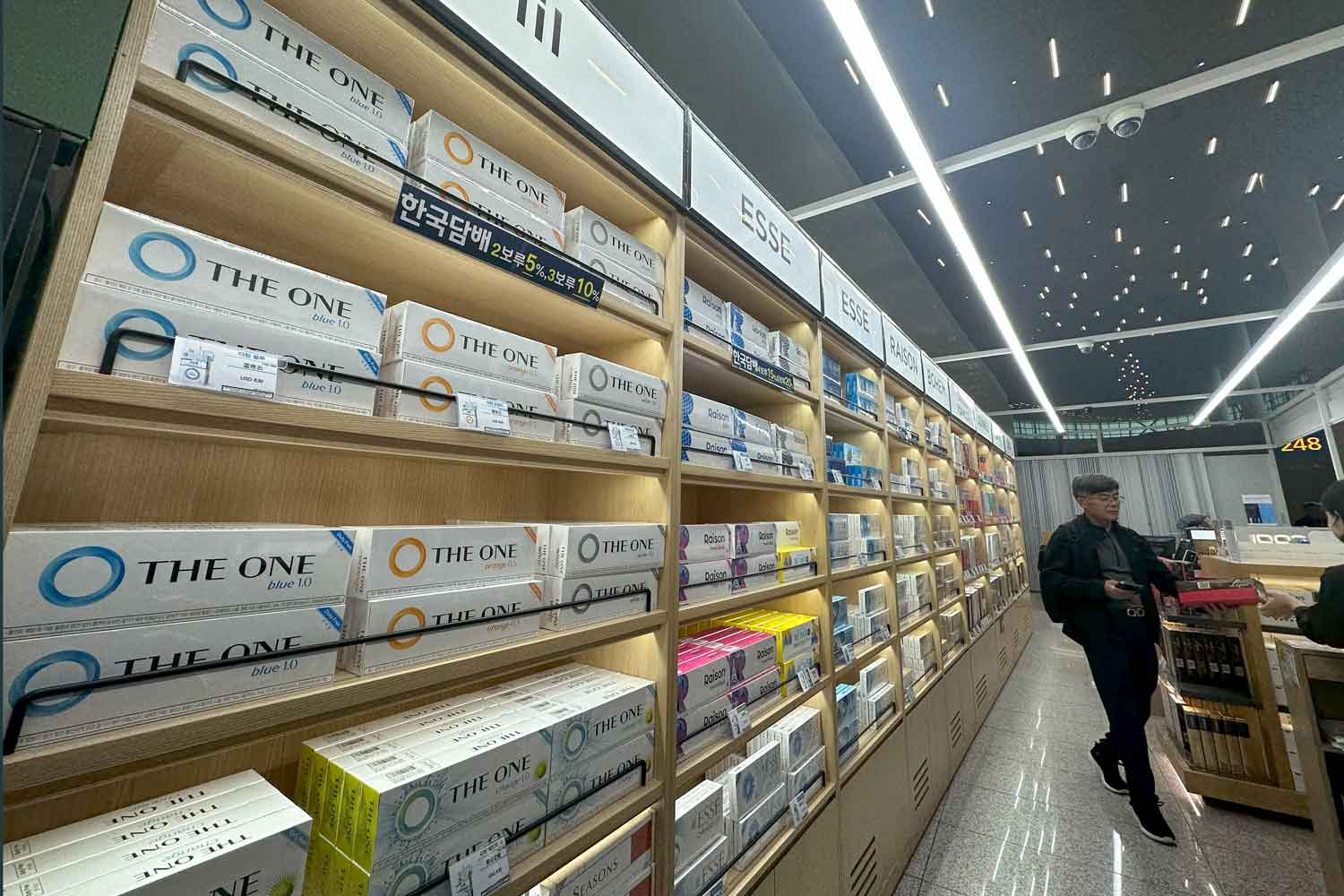
Currently, Japan and South Korea are the main consumption markets for HNB. Data shows that in 2018, the Japanese market accounted for 50% of global sales revenue, while the South Korean market accounted for 10%. Companies like Sichuan Tobacco, Yunnan Tobacco, and Hubei Tobacco have already established stable sales channels in the South Korean market.<\/span><\/div>