National Vape Standards Are Coming. Will Heated Tobacco Rules Follow?
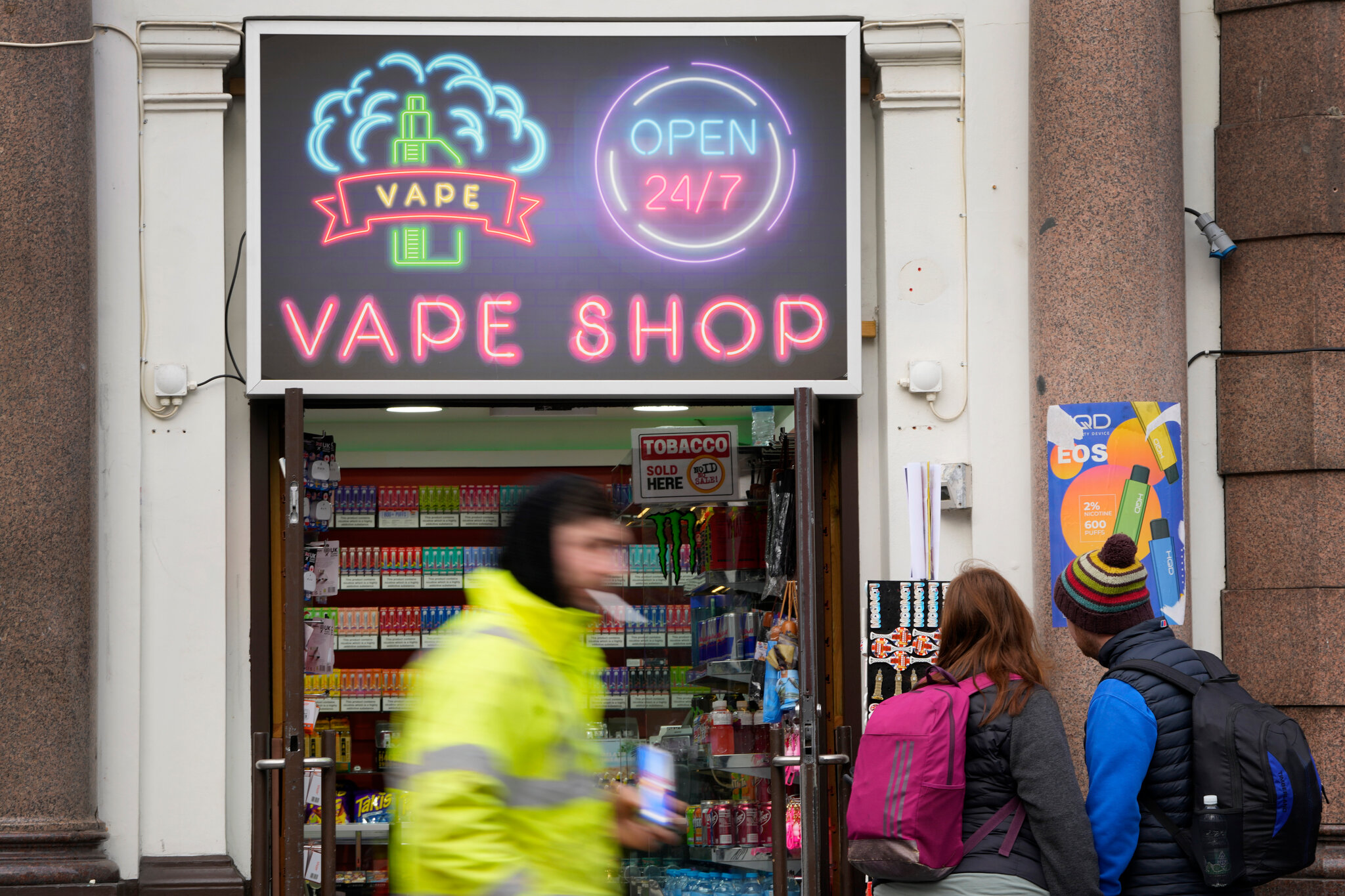
In recent years, the diverse needs of smokers have led to the emergence of various new harm-reduction products. Electronic cigarettes, heated non-combustion products, and other new tobacco products have entered the market with characteristics such as fashion, convenience, harm reduction, and smoking alternatives, quickly gaining popularity among smokers.<\/p>
From 2010 to 2018, global e-cigarette sales increased nearly 20 times, with an estimated 35 million e-cigarette users. Interestingly, although domestic market consumption only reached 6% (7.4 million people), it has already become the world's largest producer (accounting for 95% of global share) and exporter (accounting for 90% of global share) of e-cigarette products.<\/p>
Although domestic market consumption is slightly behind Europe and the United States, the potential market for e-cigarettes in China exceeds 100 billion! This represents a huge market depth and has become a target for various domestic and foreign e-cigarette companies. As of August this year, domestic e-cigarette market financing has exceeded 1 billion RMB in 2019.<\/p>
<\/p>
However, the influx of various players has further highlighted the problems within the e-cigarette industry: the absence of national standards, leaving the market in a "three no" state: no clear regulatory authority, no specific laws and regulations, and no quality standards or entry thresholds. Uneven development among enterprises, severe vicious competition, product quality discrepancies, serious homogenization, and the prevalence of OEM and ODM models, with some companies lacking core technology and R&D capabilities, are detrimental to the sustainable and healthy development of the industry.<\/p>
In the reviews of e-cigarette products on major e-commerce platforms, issues such as leaking, charging, and e-liquid composition are common. As a consumer product, quality is undoubtedly one of the most concerning issues for consumers. Due to the lack of national standards, consumer rights are difficult to protect.<\/p>
In contrast, many countries have clear regulations and industry standards for electronic cigarettes and other new tobacco products. For many years, experts and industry associations in the domestic smoking control field have been calling for the introduction of relevant laws and regulations. Based on project cycles, national standards for electronic cigarettes are about to be introduced. The introduction of national standards and improved regulation for electronic cigarettes is not only to protect consumer rights but also a trend for industry development.<\/p>
The national standards for e-liquid electronic cigarettes are about to be introduced, and it is believed that the market environment will soon improve. But what about heated non-combustion products, which are also new tobacco products?<\/p>
<\/p>
In fact, heated non-combustion products have been regulated in China for some time, but currently, they are still at the simple stage of "restricted by the Tobacco Monopoly Law (tobacco sticks) and cannot be sold without permission." Since 2018, there have been numerous reports of smuggled heated non-combustion tobacco sticks, raising the question of "with such high consumer demand, why is there no legal channel for purchase, leading to loss of national tax revenue, which is a regret for smokers and the country alike?"<\/p>
Therefore, clear standards should also be established for heated non-combustion products for regulation, rather than simply prohibiting sales. This would ensure national tax revenue while providing smokers with an alternative harm-reduction option.<\/p>
According to reports, in 2018, customs anti-smuggling departments handled 70 cases of smuggling heated non-combustion cigarettes, with a case value of 540 million yuan, seizing 63,188 suspected smuggled heated non-combustion cigarettes and verifying over 470,000 suspected smuggled imported heated non-combustion cigarettes; the tobacco department filed 557 cases, seizing 220,000 heated non-combustion cigarettes.<\/p>
<\/p>
Currently, many countries have classified regulations for electronic cigarettes and heated non-combustion products. For example, in Japan, nicotine-containing e-liquid electronic cigarettes are classified as pharmaceutical products and cannot be sold through ordinary sales channels; while heated non-combustion tobacco products are regulated as tobacco. Thanks to clear laws and regulations, Japanese smokers can legally choose to purchase these new harm-reduction products. After the launch of heated non-combustion products, the sales of traditional cigarettes in Japan have rapidly declined, with the decline rate soaring from 1.8% to 9.8%. The legal sale of new products has avoided smuggling issues and ensured that government tax revenues are not lost.<\/p>
<\/p>
For emerging industries and new products, establishing targeted regulatory measures for different types of products has become a focal issue. A series of measures are needed to guide and regulate the use of electronic cigarettes and heated non-combustion products, such as preventing youth from accessing e-cigarettes and guiding adult smokers to use new tobacco products correctly and reasonably. The introduction of national standards for electronic cigarettes is the first step; do you think regulations for the heated non-combustion industry are far behind?